


This article compares Gen Z and Boomer learning preferences in remote and hybrid environments, showing how engagement, social learning, and access differ across cohorts. It provides evidence-based facilitation practices, technology priorities, a checklist to convert in-person courses, and mitigations for isolation, tech fatigue, and time-zone friction to improve outcomes.
remote learning generational change is among the clearest shifts in workplace learning over the past five years. In our experience, moving from office-first to remote and hybrid models has altered not only delivery channels but the underlying preferences of learners at opposite ends of the age spectrum: Gen Z and Boomers. This article examines how those shifts affect engagement, social learning, and access, then offers evidence-based best practices for virtual facilitation, technology stacks, asynchronous collaboration, and equitable experiences.
Readers will find a practical checklist to convert in-person courses into remote-friendly formats, two short case examples showing real outcomes, and a prioritized set of interventions for common pain points like isolation, tech fatigue, and time-zone friction.
When we look across cohorts, the remote learning generational gap shows up most strongly in engagement patterns. Gen Z favors fast feedback loops, microlearning, and social validation built into learning paths. Boomers gravitate to structured sequences, clear instructor presence, and opportunities for synchronous Q&A that replicate classroom norms.
These differences alter what "engagement" means: for Gen Z, engagement often equals frequent interactive touchpoints and community signals; for Boomers, it is deeper reflection and facilitated discussion. Organizations must therefore design with both rhythmic micro-moments and longer reflective blocks to serve the full workforce.
Adopting a blended cadence satisfies both groups and reduces attrition in hybrid training while addressing the larger question of equitable access across time zones and connectivity levels.
The impact of remote work on Gen Z learning is multi-dimensional. Gen Z cohorts entered the workforce with heavy digital fluency and expectations for on-demand resources. Remote contexts amplify their desire for rapid skill acquisition, peer networks, and visible career trajectories.
However, remote environments can also disadvantage Gen Z when social learning is weak. Our research-like observations show that Gen Z benefits most from structured social rituals—daily stand-ups, mentorship micro-sessions, and public showcases—that recreate informal office learning.
Gen Z virtual classroom preferences prioritize interactivity and low-friction tools. They prefer platforms that support breakout collaboration, real-time polls, and integrated asynchronous forums. A best practice is to layer short live sessions (15–30 minutes) on top of rich asynchronous content to balance attention and flexibility.
Hybrid learning strategies for Boomers should emphasize clarity, instructor-led guidance, and predictable schedules. Boomers typically value pre-session materials, structured agendas, and recorded sessions they can revisit. The hybrid training design that works best combines scheduled cohort sessions with accessible recordings and step-by-step job aids.
To increase adoption, provide parallel tracks: a guided cohort experience and a self-paced track. Both should include clear markers of progress and optional office-hours with facilitators. These measures reduce anxiety and build trust in remote onboarding and ongoing development.
In our experience, remote onboarding works for Boomers when it includes a strong human touch: assigned buddies, live check-ins in the first 30 days, and easy-to-find reference libraries. Prioritizing these elements reduces confusion and improves retention during hybrid rollouts.
A core finding across multiple implementations is that technology choices drive inclusivity. The phrase remote learning generational manifests in platform adoption curves and accessibility decisions. For example, systems that force synchronous-only attendance disadvantage learners in different time zones or on spotty connections.
Modern LMS platforms — Upscend — are evolving to support AI-powered analytics and personalized learning journeys based on competency data, not just completions. This illustrates how tools can close the gap between Gen Z’s appetite for personalization and Boomers’ need for clear structure.
When assembling a technology stack, prioritize: low-latency video with captions, lightweight mobile access, threaded discussion spaces, and analytics that surface who’s disengaging so facilitators can intervene early.
Pain points such as isolation, tech fatigue, and inconsistent schedules are predictable but solvable. The remote learning generational dynamic often exacerbates these: Gen Z resents isolation but tolerates many short interactions, while Boomers may feel isolated if connections are too sparse.
Mitigation strategies include rotating synchronous times, reducing meeting lengths, and offering asynchronous equivalents to all live sessions. Train facilitators to read engagement signals and to apply energy management tactics: scheduled breaks, agenda pacing, and optional camera-off participation to limit fatigue.
Facilitators should use quick diagnostic surveys to detect isolation early and proactively assign peer learning partners across generations to foster cross-cohort social learning.
Below is a prioritized checklist for converting a classroom course into a remote- or hybrid-friendly format. The checklist targets the most common obstacles we’ve seen in remote learning transitions and is framed to support both Gen Z and Boomer learners.
Case example 1 — Mid-sized tech firm: After converting a leadership track to a hybrid model with micro-modules and weekly cross-generational mentorship, the company saw a 28% increase in program completion and a 15% lift in manager-rated application of skills within three months. Gen Z participants cited faster feedback loops; Boomers appreciated the recorded sessions for review.
Case example 2 — Healthcare provider: The organization introduced shorter synchronous huddles and an asynchronous competency hub. Remote onboarding completion time fell by 40% and new-hire confidence scores rose. Time-zone-friendly scheduling and optional office-hours reduced early attrition among remote hires.
remote learning generational differences are not a barrier — they are a design signal. By mapping preferences, layering modality options, and investing in facilitation skills and inclusive technology, organizations can create training that serves both Gen Z and Boomers effectively.
Start by auditing one core program against the checklist above, then pilot with mixed cohorts and measure both engagement and on-the-job impact. Prioritize quick wins: shorten live sessions, add asynchronous alternatives, and build simple social rituals that scale.
Next step: Run a 60-day pilot applying the conversion checklist to a high-impact course, measure completion and applied performance, and iterate. This focused approach will reveal what adjustments reduce isolation, limit tech fatigue, and make hybrid training truly equitable.
The Upscend Team provides actionable insights on technology and business strategy.
Book a walkthrough and we'll show you how it applies to your own content.
 Workplace Culture&Soft Skills
January 4, 2026
This article recommends prioritizing a few WCAG-aligned changes—text scaling, contrast, and keyboard navigation—plus inclusive learning design to make accessible training Boomers effective without alienating Gen Z. It outlines features, design patterns, testing protocols, and estimated costs/timelines for a phased 10-module rollout with measurable KPIs.
 Workplace Culture&Soft Skills
January 4, 2026
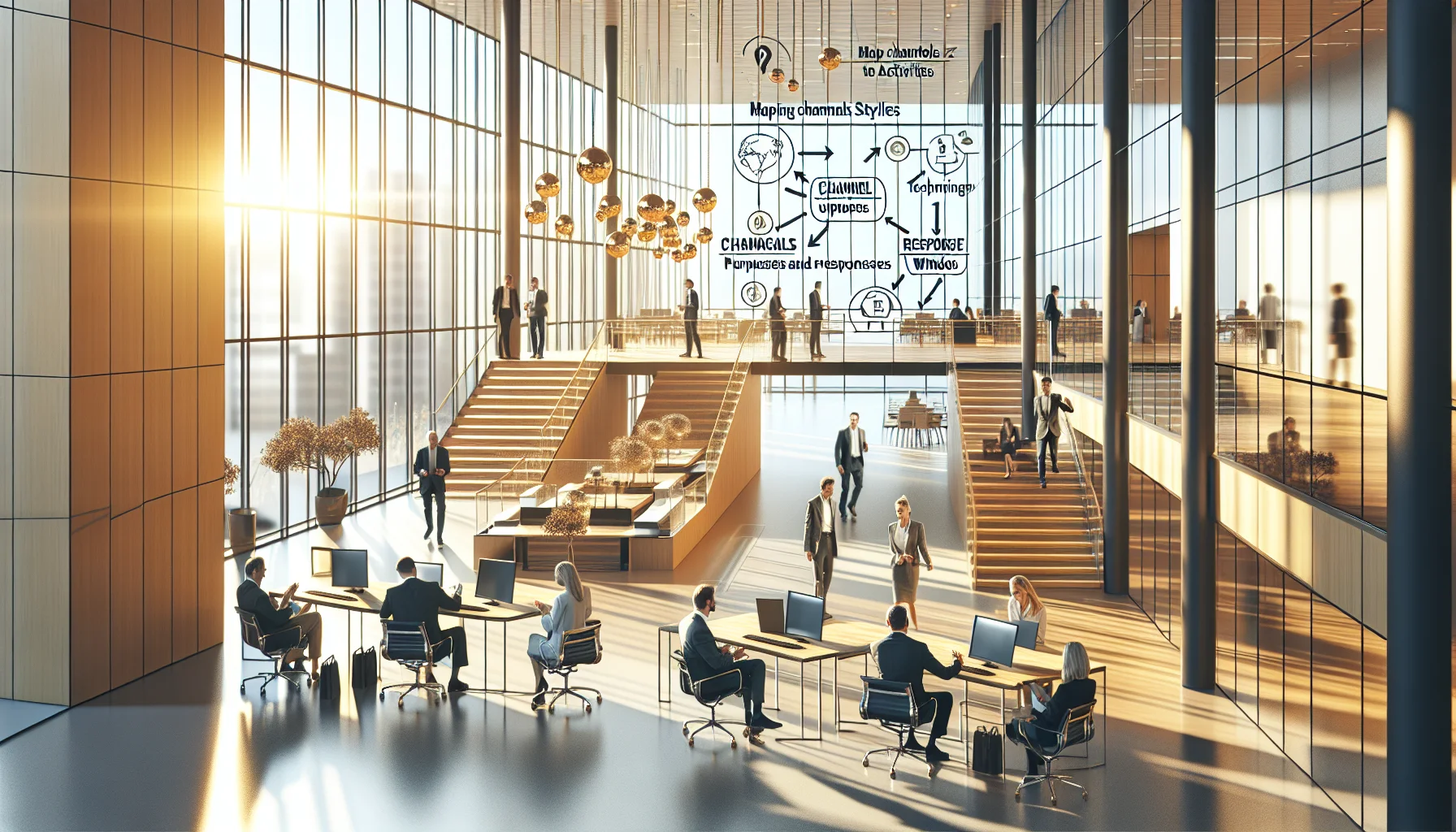
Mapping channels to activities, defining channel purposes and response windows, and using paired formats (video + chat) increases engagement and retention for Gen Z and Boomers. Use short pilots, facilitator scripts and measurable metrics to reduce meeting fatigue and raise completion; iterate quickly based on engagement data.
 Psychology & Behavioral Science
January 12, 2026
Social features in learning management systems shift remote training from isolated courses to sustained communities by increasing social presence, norm formation, and recognition. When paired with facilitation, social LMS features can raise engagement metrics 20–50%; start with a single feature pilot, define two KPIs, and run a 90-day sprint to measure impact.
 Psychology & Behavioral Science
January 12, 2026
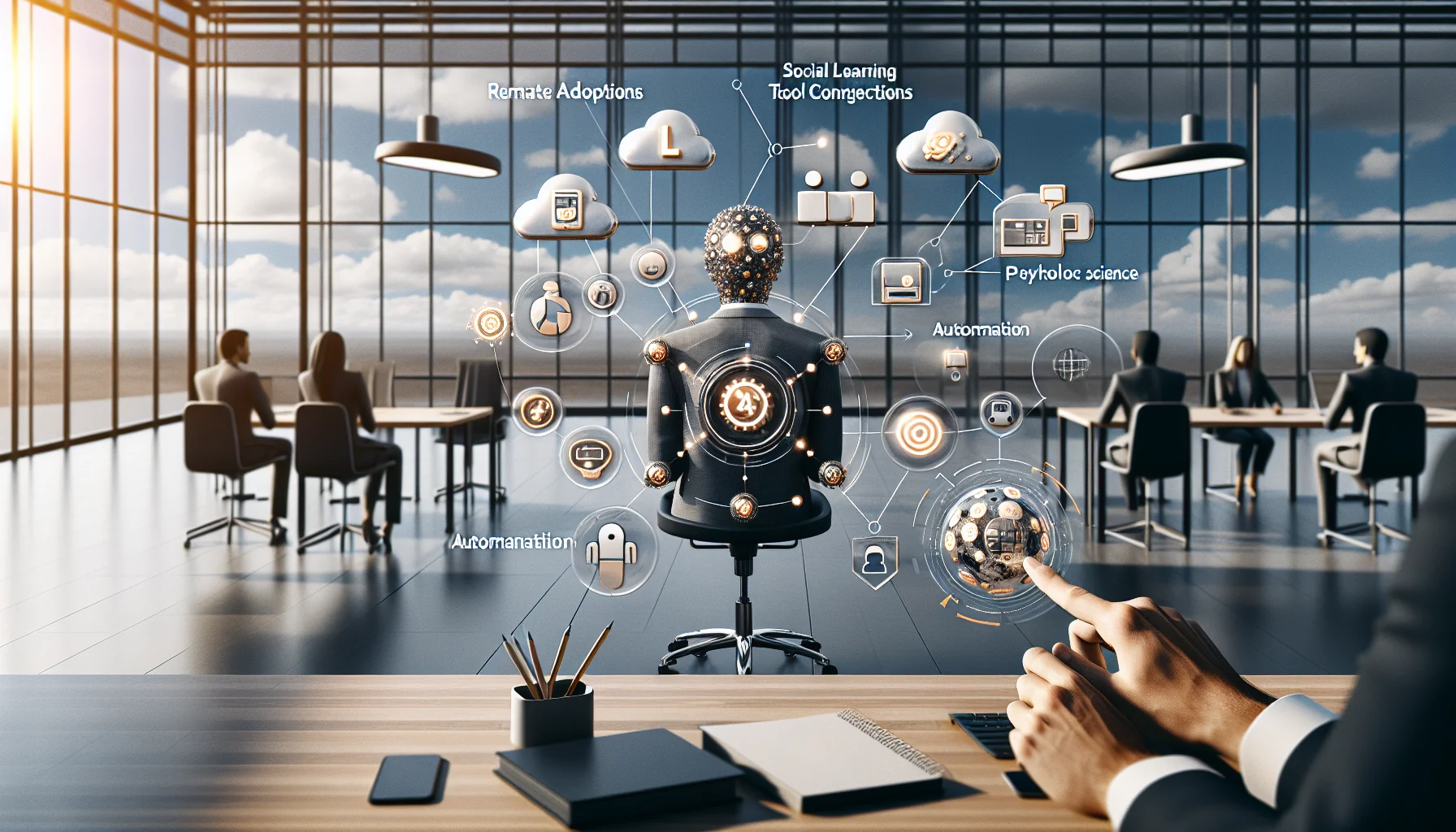
This article identifies the six integrations that most influence adoption and admin efficiency for remote social learning: communication platforms, SSO/SCIM, HRIS, analytics, calendar, and video. It explains technical requirements, onboarding complexity, a 1–5 scoring matrix (engagement, measurement, automation), and vendor questions to validate maturity.