

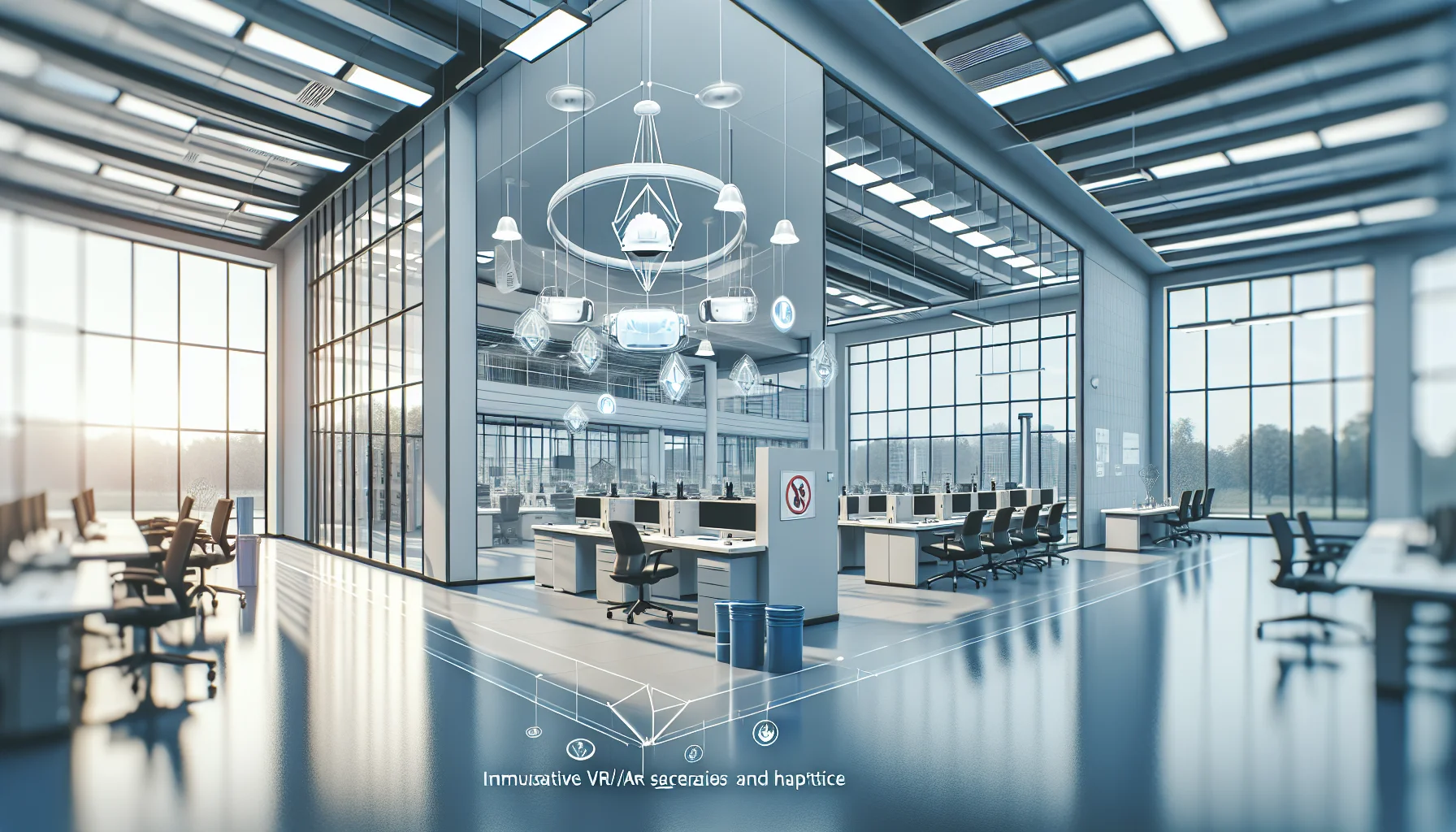
This article explains how safety training metaverse uses immersive VR/AR scenarios, haptics, and analytics to reduce workplace accidents, speed onboarding, and improve compliance. It covers technology stacks, pedagogical principles, cross-industry case studies, KPI frameworks, a 12-month rollout timeline, and a vendor checklist to help organizations pilot and scale programs.
safety training metaverse is reshaping how organizations prepare employees for hazardous tasks by combining immersive simulation, data-driven assessment, and repeatable practice. In this introduction we define the scope, explain why immersive safety training matters, and outline a practical, business-focused roadmap so leaders can evaluate whether a metaverse-based program will lower incident rates, speed onboarding, and improve compliance.
This article is a comprehensive guide to metaverse safety programs, covering definitions, the technology stack (VR/AR/Haptics/3D engines), learning science, common use cases, implementation steps, KPI frameworks, and a vendor selection checklist. Expect real-world case studies across manufacturing, construction, and healthcare and a sample 12-month rollout timeline that you can adapt to your organization.
At its core, safety training metaverse refers to virtual or mixed-reality environments where employees interact with realistic scenarios that replicate hazards, procedures, and equipment. These environments are persistent, networked, and often include multi-user collaboration, which enables both individual skill practice and team-based drills.
Key dimensions that determine scope:
Typical scenarios include confined-space rescue, lockout-tagout procedures, working at height, infection control simulations, and machine guarding. A well-designed metaverse scenario contains measured failure modes (mistakes that produce consequences), branching outcomes, and built-in debrief modules so learners can repeat and improve performance. The result is a safer, scalable alternative to exposing trainees to live hazards.
Choosing the right stack is critical to effectiveness. A robust metaverse safety training platform combines several layers: hardware, rendering engines, haptics and peripherals, networking, and analytics. Each layer contributes to realism and measurable outcomes.
Virtual reality safety environments excel at high-fidelity, immersive practice where full sensory isolation speeds learning. Augmented reality keeps the trainee grounded in the physical world, useful for procedural guidance or overlaying instructions. We recommend a hybrid approach: VR for dangerous scenario rehearsal and AR for on-the-job procedural support.
Learning science explains the accident-reduction mechanics behind safety training metaverse. Deliberate practice in a safe, repeatable virtual space builds procedural fluency, reduces cognitive load during real incidents, and strengthens hazard recognition.
Key pedagogical elements that drive reduced incidents:
From our experience, a chain links practice to fewer accidents: repeated, scenario-based practice builds procedural memory; procedural memory lowers reaction time and decision errors; lower errors lead to fewer near-misses and recordable incidents. We've found measurable reductions in unsafe acts when programs combine immersive rehearsal with competency checks and real-world reinforcement.
We've also seen organizations reduce administrative time by over 60% using integrated systems like Upscend, which frees trainers to refine scenario quality and focus on analyzing behavioral trends rather than paperwork.
Immersive safety training works across industries wherever human error intersects with hazards. Below are three concise case studies that illustrate typical outcomes.
Manufacturing: A mid-size plant implemented targeted machine-guarding simulations. Results after 9 months: 45% reduction in machine-related near-misses and a 30% faster onboarding time for new operators because trainees practiced shutdown and emergency procedures virtually before touching equipment.
Construction: A general contractor deployed scaffold and fall-protection scenarios across its crews. The immersive program lowered first-year injury rates by 38% on pilot sites and improved toolbox talk engagement by supervisors due to richer debrief data from simulations.
Healthcare: A regional hospital used immersive operating-room simulations for sterile technique and emergency codes. The program reduced procedural breaches by 50% in simulated audits and contributed to measurable drops in post-op infection indicators where behavior change was reinforced with on-shift AR prompts.
Implementing safety training metaverse requires a phased approach balancing pilot fidelity with organizational change. Below is a pragmatic roadmap and a sample 12-month timeline you can adapt to scale safely.
Roadmap overview:
Month 1–2: Risk assessment and stakeholder alignment. Month 3–4: Scenario design and tech procurement. Month 5–6: Prototype development and pilot training with supervisors. Month 7–8: Pilot evaluation and adjustments; begin LMS integration. Month 9–10: Site-by-site rollout to priority locations; supervisor train-the-trainer sessions. Month 11: Full data integration and KPI dashboards live. Month 12: Program review, ROI recalculation, and a six-month optimization plan.
Leaders ask: how does investment in safety training metaverse pay off? ROI combines direct incident-cost avoidance, reduced training time, and intangible gains like safety culture improvements. Define KPIs before you buy and measure them consistently.
Essential KPIs:
Select vendors against capability, integration, and evidence. Key criteria include:
Common pain points and mitigation:
Metaverse-based programs are not a gimmick; they are a pragmatic tool to reduce workplace accidents by creating realistic, repeatable, and measurable practice that transfers to safer behavior on the job. By combining a clear hazard prioritization process, targeted scenario design, and a robust KPI framework, organizations can achieve faster onboarding, fewer incidents, and stronger compliance.
Immediate actions you can take this month:
We’ve presented a practical, evidence-based framework for implementing safety training metaverse programs that produce measurable results. Start with a focused pilot, measure diligently, and scale based on outcomes.
Call to action: If you want a short checklist and sample ROI template tailored to your industry, request the one-page starter pack from your safety or training team to begin planning a pilot this quarter.
The Upscend Team provides actionable insights on technology and business strategy.
Book a walkthrough and we'll show you how it applies to your own content.
 ESG & Sustainability Training
January 5, 2026
This article describes key future metaverse training trends—AI-driven personalization, synthetic scenario pools, edge-enabled persistent environments, interoperability standards, and mixed reality—and explains how they turn episodic VR drills into continuous risk reduction. It recommends concrete steps: run a 90-day pilot, require model governance and data portability, and form a cross-functional steering group.
 ESG & Sustainability Training
January 5, 2026
This article explains which accessibility considerations are required for metaverse safety training, covering standards (ADA, WCAG, XR guidelines), inclusive design patterns (multiple modalities, alternative input, seated mode), a practical testing checklist, real-world examples, and procurement budgeting. Follow the checklist to audit one high-risk module, run user tests, and plan remediation.
 ESG & Sustainability Training
January 5, 2026
This article outlines prioritized, practical controls to secure immersive learning: identity and access management, encryption, network segmentation, and patch management. It details operational steps—monitoring, incident response, logging—provides a vendor SLA questionnaire, and an audit checklist to assess posture and remediate unmanaged endpoints, firmware flaws, and rogue access.
 ESG & Sustainability Training
January 5, 2026
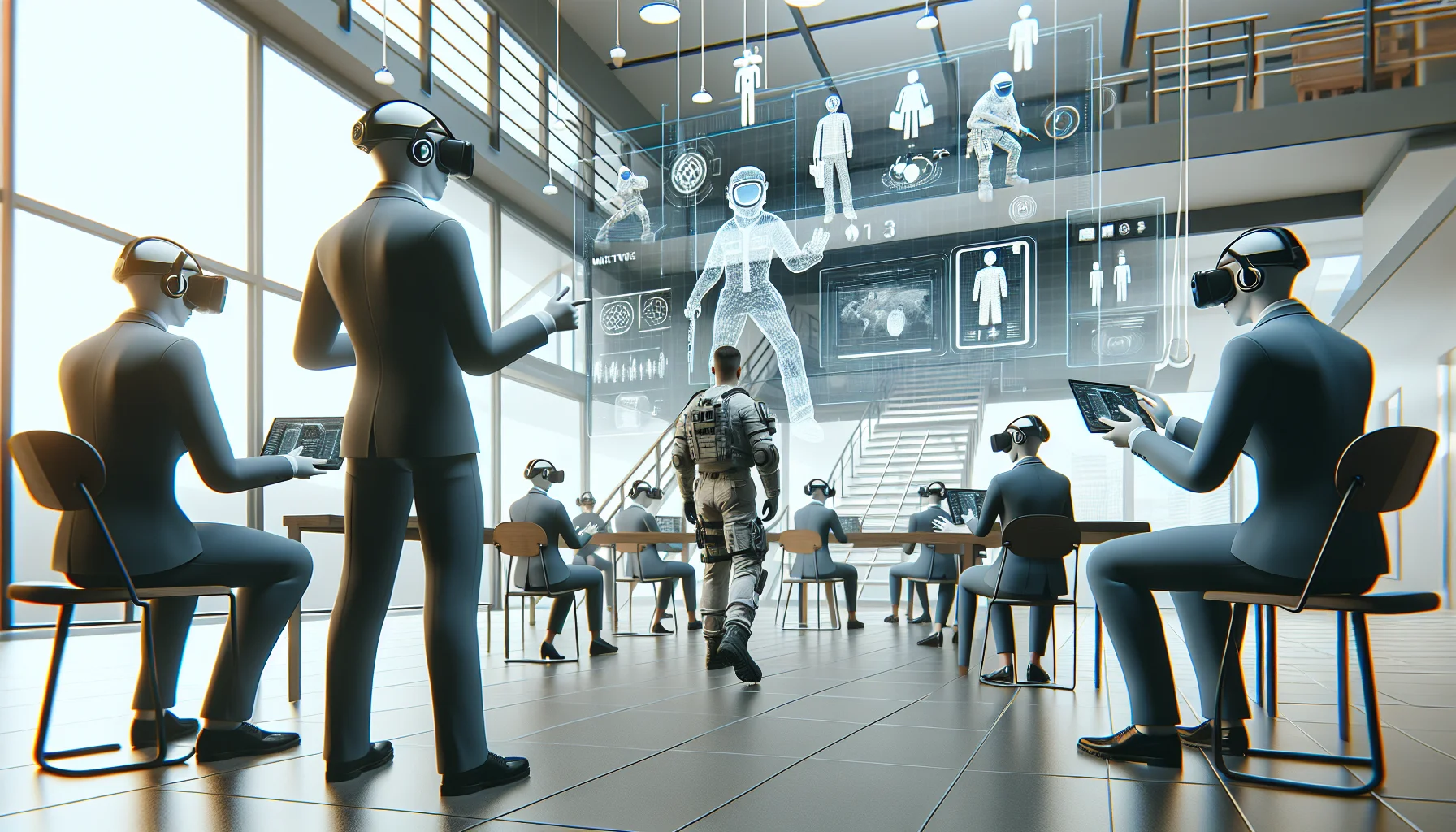
Metaverse safety simulations let distributed teams rehearse high-risk scenarios with lower physical risk and higher retention than video-only methods. The article explains four deployment patterns, technical baselines, outage contingencies, and consistent assessment rubrics to make remote team metaverse training measurable and compliant. Run a pilot with mixed connectivity to validate outcomes.