


This playbook shows how to run rapid training A/B testing: form testable hypotheses, pick behavior-linked metrics, estimate sample sizes, and run randomized variants. It includes implementation checklists, analysis rules, and case examples so L&D teams can iterate every 2–6 weeks and turn hypotheses into measurable performance gains.
Training A/B testing is the quickest way to turn hypotheses about learning into measurable improvement. In the first 60 words here I use the core phrase to set expectations: this playbook explains when to run experiments, how to design them, and which metrics move the needle. In our experience, teams that treat learning design like product development accelerate impact and cut wasted hours.
This article gives a hands-on, repeatable approach you can apply within weeks. Expect step-by-step checklists, real-world examples, and a compact L&D testing framework to embed experimentation into your workflow.
Training A/B testing shifts teams from opinion-led design to evidence-led decisions. We've found that even small experiments — a new microlearning element or a different feedback prompt — can produce measurable gains in engagement and transfer.
Traditional L&D relies on post-hoc evaluation and anecdotes. A disciplined testing approach reduces uncertainty and surfaces what actually changes learner behavior. Below are the core benefits:
Training A/B testing is an experiment in training where two or more versions of a learning experience are compared to determine which produces the desired outcome. One group gets the control, the other gets the variant.
Key components are: hypothesis, randomization, sample definition, and predefined success metrics. When these are enforced, you avoid spurious conclusions and p-hacking.
Well-formed hypotheses make experiments actionable. We recommend the formula: "If we change X for Y population, then Z metric will increase by N%." Start with the smallest change that could produce meaningful impact — not a complete redesign.
Design considerations include variant complexity, stratification, and contamination. For practical L&D work, prefer A/B (one control, one variant) and use stratified randomization when cohorts differ by role or baseline skill.
Choose a metric tied to behavior or performance, not only completion. Examples: time to competency, error rate on assessments, task completion accuracy, or on-the-job KPI. Avoid vanity metrics like open rate unless tied to outcomes.
Use minimal detectable effect (MDE) logic. For most internal L&D experiments, aiming to detect 10–20% relative change is practical. When sample sizes are small, consider repeated measures design or use pilot tests to bootstrap variance estimates.
Operational rigor prevents false positives. Document the protocol, lock down analytics, and ensure assignment is random and irreversible for the test window. We build an L&D testing framework that defines roles, responsibilities, and data ownership for each experiment.
Practical steps we've deployed successfully:
A common efficiency boost comes from automation: integrate the LMS or learning platform with analytics to track outcomes automatically. The turning point for most teams isn’t just creating more content — it’s removing friction. Tools like Upscend help by making analytics and personalization part of the core process, which shortens the path from hypothesis to actionable insight.
To answer the common question "how to run A/B tests on training programs": define cohorts, randomize assignment, ensure consistent delivery, and capture outcome data centrally. Use control checks to confirm randomization worked and monitor for cross-over.
We recommend a pilot phase to validate tracking and refine the variant before a full experiment. That reduces technical risk and ensures your statistical assumptions hold.
Analysis should be pragmatic and tied to decision rules. Predefine success criteria: what statistical threshold, what minimum effect size, and what business decision follows (scale, iterate, or stop).
When analyzing, report both statistical significance and practical significance. A tiny p-value on a trivial effect isn't useful. Combine quantitative results with qualitative feedback from learners to contextualize findings.
Adopt simple but robust practices: control the false discovery rate when running multiple tests, favor two-sided tests unless directional hypotheses exist, and use confidence intervals to show uncertainty. If you run sequential looks at data, apply alpha spending or use Bayesian approaches.
Document the analysis notebook, include raw counts, and create a short executive summary that links to the decision (adopt, iterate, or abandon).
Concrete examples make the practice tangible. Below are three succinct case studies we've run or advised on:
These are examples of A/B testing to improve learning outcomes that illustrate low-cost, high-return experiments. In each, we tracked both immediate learning and downstream business impact.
Mixed results are common: learning may increase while application doesn't. In those cases, run follow-up experiments that target the transfer barrier — for example, add job aids or manager coaching — rather than assuming the initial content failed.
Many teams stumble on execution rather than design. Common pitfalls include changing multiple variables at once, underpowered tests, and letting rollout bias contaminate the results. We've found a concise checklist avoids these traps.
Implementation checklist:
Maintain an experiment logbook that records every test's purpose, owner, start/end dates, and decision. This creates institutional memory and prevents duplicated effort across programs.
Final tips: start small, prioritize tests with clear ROI potential, and keep the cadence steady. A culture of disciplined experimentation compounds: each successful test informs the next and refines the team's intuition.
Conclusion
Training A/B testing provides a practical, measurable path to improve learning outcomes. We've found that integrating an L&D testing framework, pairing quantitative metrics with qualitative insight, and running quick, well-designed experiments produces faster learning and clearer ROI than larger, speculative programs.
Start with one pilot experiment this quarter: pick a single metric, run a small A/B test, document the result, and use that learning to scale improvements. If you institutionalize the checklist above, your team will convert hypotheses into impact on a repeatable schedule.
Next step: pick one program, define a 4–6 week experiment using the checklist, and commit to publishing the result to stakeholders — that transparency drives faster adoption and continuous improvement.
The Upscend Team provides actionable insights on technology and business strategy.
Book a walkthrough and we'll show you how it applies to your own content.
 Institutional Learning
December 24, 2025
Running A/B tests training with real-time feedback lets manufacturers validate instructional changes quickly and link learning to production KPIs. Define hypotheses, randomize cohorts, collect leading and lagging metrics from LMS and MES, and analyze with pre-specified thresholds. Start small, pilot short cycles, then scale successful variants.
 Lms
LmsDecember 25, 2025
This article gives a tactical playbook for running rapid time-to-competency experiments: five low-risk pilots, two compact A/B designs, resource estimates, and a one-page pilot brief. It explains measurable success metrics, timelines, and common pitfalls so L&D teams can produce executive-ready evidence in 4–8 weeks.
 HR & People Analytics Insights
January 6, 2026
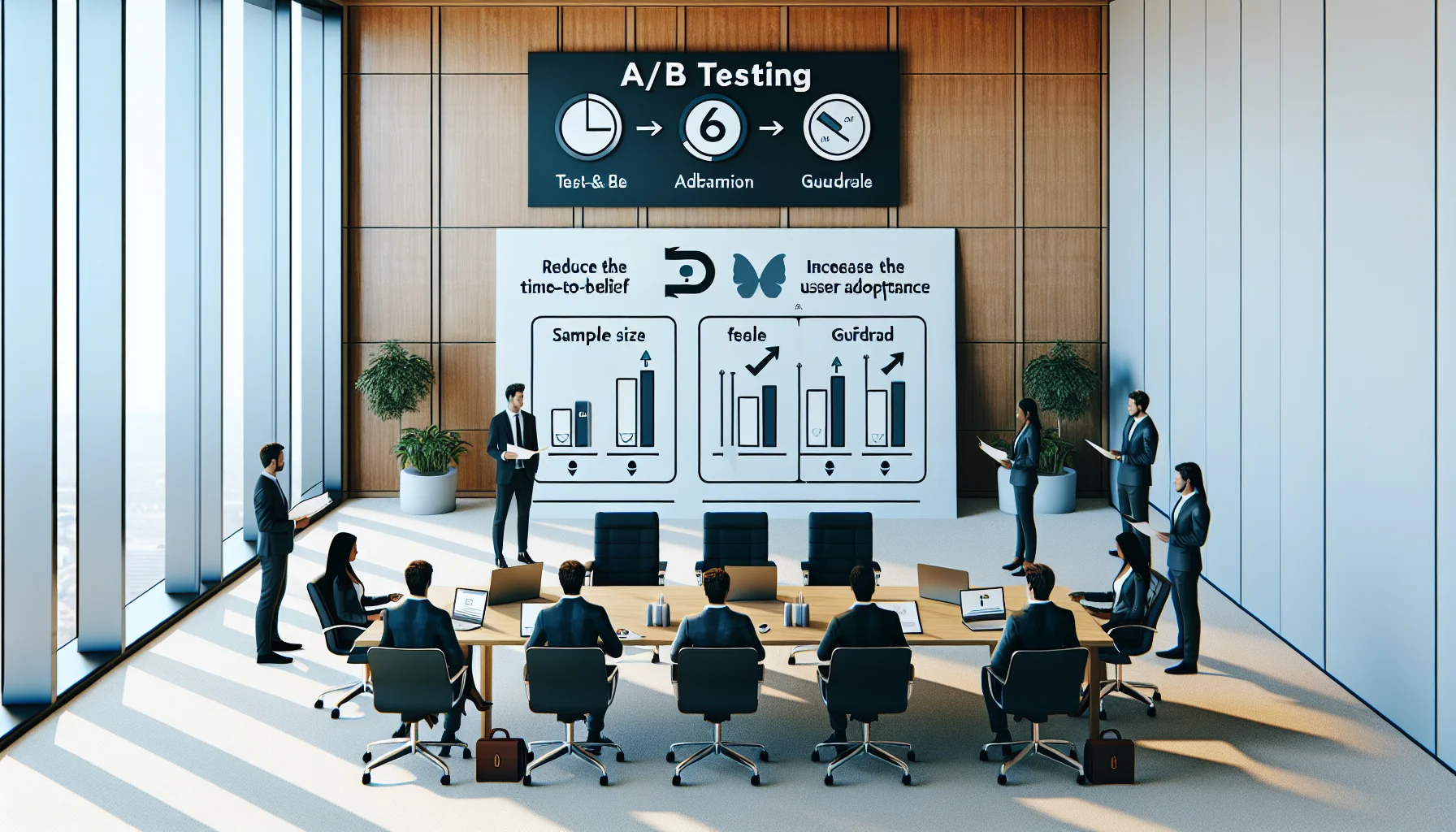
This article shows how A/B testing LMS experiments shorten learners' time-to-belief by exposing friction and measuring applied behavior. It outlines experiment design (hypothesis, metrics, sample size), tooling choices, six ready templates, an interpreted example result, and ethical guardrails—so teams can run practical tests and scale winners quickly.
 Business Strategy&Lms Tech
January 25, 2026
This article provides a step-by-step training audit checklist for L&D and compliance teams to identify outdated content, collect essential metadata, and apply a weighted scoring rubric. It shows how to map scores to expiry rules, run a 30-day pilot sample, and create workflows and reports to reduce remediation backlog and maintain regulatory confidence.