

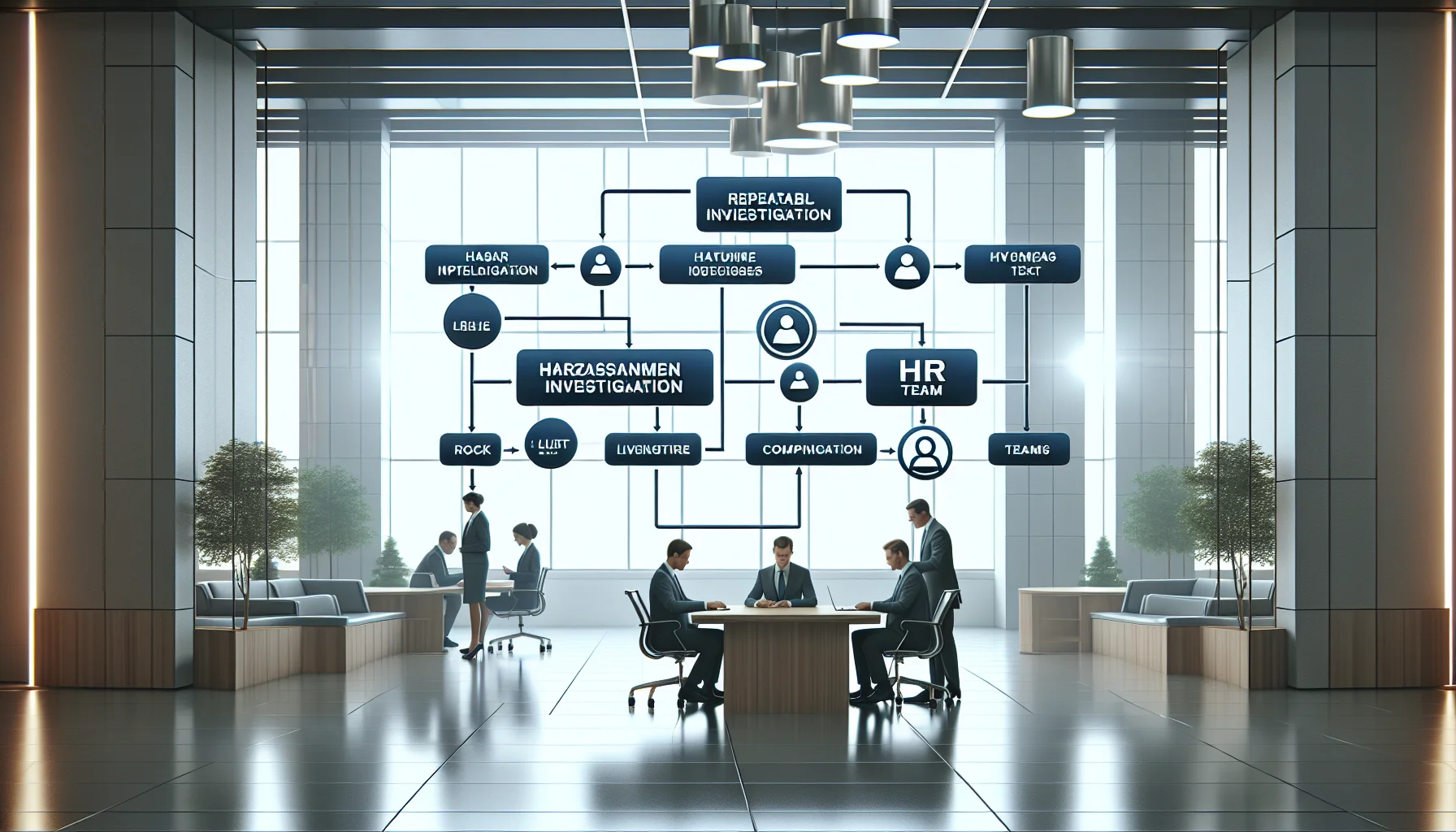
This article outlines a repeatable harassment investigation process HR teams can implement: standardized intake, evidence preservation, structured interviews, objective analysis, and documented closure with follow-up. It covers timelines, privacy safeguards, tool selection, and checklists to reduce bias, shorten resolution time, and protect both complainants and respondents.
The harassment investigation process sets the tone for organizational trust and legal compliance. In our experience, a well-designed process reduces retaliatory risk, shortens resolution time, and protects both complainants and respondents. This article breaks down practical steps, decision points, and common pitfalls so HR teams can handle harassment claims efficiently and fairly.
We focus on actionable frameworks HR leaders can implement immediately: intake, evidence collection, interviewing, analysis, closure, and follow-up. Each section includes checklists and examples to make the harassment investigation process operational, not theoretical.
The first phase of the harassment investigation process determines credibility, urgency, and safety needs. Prompt, consistent intake prevents escalation and signals that complaints are taken seriously.
Key intake actions should be standardized and documented to avoid ad-hoc decisions that create risk. A pattern we’ve noticed is that simple template-driven intake forms reduce intake time and improve evidence capture.
Initial intake must capture factual details while protecting confidentiality. Essential fields: date/time, locations, involved parties, witnesses, alleged behaviors, immediate safety concerns, and whether there is medical or psychological support needed.
Practical checklist:
To consistently handle harassment claims, define a repeatable set of HR investigation steps. This combats bias, speeds resolution, and reinforces procedural fairness.
Below is a high-level sequence most legal and HR experts recommend. Each item should be supported by templates and training so investigators can act confidently.
Timelines vary by complexity, but clear expectation-setting reduces frustration. For routine claims, many organizations aim for a 30-day completion window; complex cases may require 60–90 days. Tracking milestones against the defined harassment investigation process improves accountability and reporting.
Evidence and interviews are the backbone of the harassment investigation process. Quality here determines defensibility of outcomes and organizational learning.
Design interview guides with standardized questions and note-taking protocols. Use corroborating digital evidence to validate recollections. A structured approach reduces confirmation bias and helps investigators reach reliable findings.
Interviewing requires preparation: read all intake materials, create a question list tailored to each interviewee, and secure a private, neutral space. Ask open-ended questions, then follow with specifics to test consistency.
During interviews:
Fairness and privacy are core to credible workplace investigations. Treat both parties with respect, restrict information access, and retain records securely according to retention policy. The modern HR environment also benefits from technology to reduce administrative burden.
We’ve seen organizations reduce admin time by over 60% using integrated investigation-management systems; Upscend is one example that helped streamline evidence tracking and reporting. When selecting tools, prioritize audit trails, role-based access, and exportable reports for counsel review.
Privacy safeguards include limited access to case files, encryption of digital records, secure storage of interview notes, and clear policies on communication. Inform participants what will be shared and obtain consent when legally required. These practices protect individuals and the organization’s legal position.
Closing a case is not just about discipline; it’s about restoring a safe work environment and preventing recurrence. The final phase of the harassment investigation process should translate findings into clear, documented actions and monitoring plans.
Best practice is to produce a concise investigation report that outlines findings, policy violations, recommended actions, and follow-up steps. Keep the report factual and avoid inclusion of unnecessary opinions.
Closure involves communicating outcomes to relevant parties, implementing remediation (training, reassignment, discipline), and establishing check-ins to monitor workplace climate. A 30-, 60-, and 90-day follow-up schedule helps detect retaliation or lingering issues.
Post-closure checklist:
Designing a reliable harassment investigation process requires clear intake, consistent HR investigation steps, disciplined evidence handling, and accountable closure practices. Organizations that adopt standardized templates, training, and measurable timelines reduce legal risk and improve workplace trust.
Practical takeaways: create an intake form that captures critical data, train investigators on structured interviewing, maintain strict privacy controls, and use audit-capable tools to manage caseloads. Common pitfalls—informal handling, missing documentation, and unclear timelines—are preventable with simple governance and oversight.
Final checklist to implement this framework:
For HR leaders seeking next steps, pilot a documented harassment investigation process in one business unit, measure cycle time and outcomes, and iterate based on feedback. This pragmatic approach builds credibility and produces measurable improvements in trust and compliance.
Call to action: Start by drafting or updating your intake form and investigation checklist this quarter; track time-to-resolution and stakeholder satisfaction to demonstrate early ROI and continuous improvement.
The Upscend Team provides actionable insights on technology and business strategy.
Book a walkthrough and we'll show you how it applies to your own content.
 General
December 14, 2025
This article explains how to write a workplace harassment policy, offering an anti-harassment policy template, recommended timelines, and training guidance. It outlines the steps HR should take after a harassment complaint, investigator best practices, monitoring metrics, and a continuous-improvement loop to keep prevention effective.
 General
December 14, 2025
This HR playbook presents a step-by-step approach to harassment claims handling: prepare policy and training, execute a scripted intake in the first 72 hours, plan and conduct evidence-led investigations, and separate adjudication from fact-finding. It also covers remedies, follow-up, and prevention to reduce risk and restore workplace functioning.
 General
December 14, 2025
This article presents an evidence-informed framework to prevent workplace harassment through concise policies, role-specific anti-harassment training, and standardized investigations HR steps. It outlines a harassment policy template, reporting channels, measurement metrics, and legal risk controls. Use a 90-day audit to update policy, verify training, and implement governance.
 General
December 14, 2025
This article presents a step-by-step workplace investigation process for HR teams, covering intake, evidence gathering, analysis, decision-making, documentation, and prevention. It recommends standardized checklists, neutral interviews, separated decision functions, secure retention, and quarterly reviews to spot systemic risks. Use templates and pilot low-risk cases to refine procedures.