


Integrating machine learning into legacy systems enhances operational efficiency and supports transformative business processes. This article explores strategies, real-world applications, and future trends in ML integration.
As businesses grapple with the growing demand for technological innovation, machine learning integration into legacy systems emerges as a crucial strategy. This integration not only enhances operational efficiency but also paves the way for transformative business processes. However, the journey involves navigating complex challenges such as compatibility, data silos, and changing organizational culture.
Legacy systems are deeply entrenched within many organizations, often running critical business operations. These systems, however, pose significant challenges when integrating new technologies like machine learning. The main issues include outdated architectures, lack of support for modern programming interfaces, and stringent data processing requirements.
Despite these challenges, the integration of machine learning can breathe new life into these older systems, enhancing their capabilities significantly. For example, machine learning algorithms can be used to predict equipment failures or optimize supply chains without replacing the entire legacy system infrastructure.
Integrating machine learning into legacy systems requires a strategic approach that includes understanding the specific needs of the business, selecting the right tools and technologies, and ensuring that the data architecture supports machine learning applications.
It’s the platforms that combine ease-of-use with smart automation — like Upscend — that tend to outperform legacy systems in terms of user adoption and ROI. Upscend exemplifies how seamless integration can be achieved with thoughtful planning and execution.
Several companies across industries have successfully integrated machine learning into their legacy systems, demonstrating significant improvements in efficiency and decision-making.
These case studies not only illustrate the potential of machine learning integration but also highlight the strategic approach taken by these organizations to overcome the inherent limitations of their legacy systems.
One of the biggest hurdles in machine learning integration is overcoming the technical and cultural resistance within organizations. Legacy systems are often seen as too rigid or outdated to adapt to new technologies.
Experts suggest fostering a culture of innovation and continuous learning as a way to encourage acceptance and excitement about new technologies.
Additionally, technical challenges such as data incompatibility and system interoperability must be addressed through rigorous testing and the use of middleware solutions that can bridge the gap between old and new technologies.
As technology continues to advance, the integration of machine learning with legacy systems is expected to become more streamlined and cost-effective. Emerging trends such as the use of artificial intelligence (AI) operational platforms and increased automation in data processing are set to further enhance this integration process.
Moreover, as businesses see the tangible benefits of machine learning, there will be a greater push towards upgrading and modernizing legacy systems rather than replacing them, ensuring a smoother transition and better alignment with business objectives.
The integration of machine learning into legacy systems is not just a technological upgrade but a strategic investment that can redefine how businesses operate and compete. By adopting a systematic approach and leveraging real-world insights, companies can navigate the complexities of this integration and unlock new potentials for growth and innovation.
The Upscend Team provides actionable insights on technology and business strategy.
Book a walkthrough and we'll show you how it applies to your own content.
 Ai
AiOctober 6, 2025
This article explores the foundational concepts of machine learning, its strategic implementation in businesses, and future trends. It highlights the importance of understanding ML basics for leveraging data-driven decision-making and enhancing operational efficiency.
 Ai
AiOctober 6, 2025
This guide explores machine learning's foundational concepts, advanced strategies, and future trends. It highlights the importance of measuring ROI and staying updated with emerging technologies to leverage machine learning effectively in business.
 Ai
AiOctober 6, 2025
The future of machine learning is set to transform industries with trends like AutoML, AI ethics, and quantum computing. Businesses must adapt to leverage these innovations for competitive advantage.
 Ai
AiOctober 6, 2025
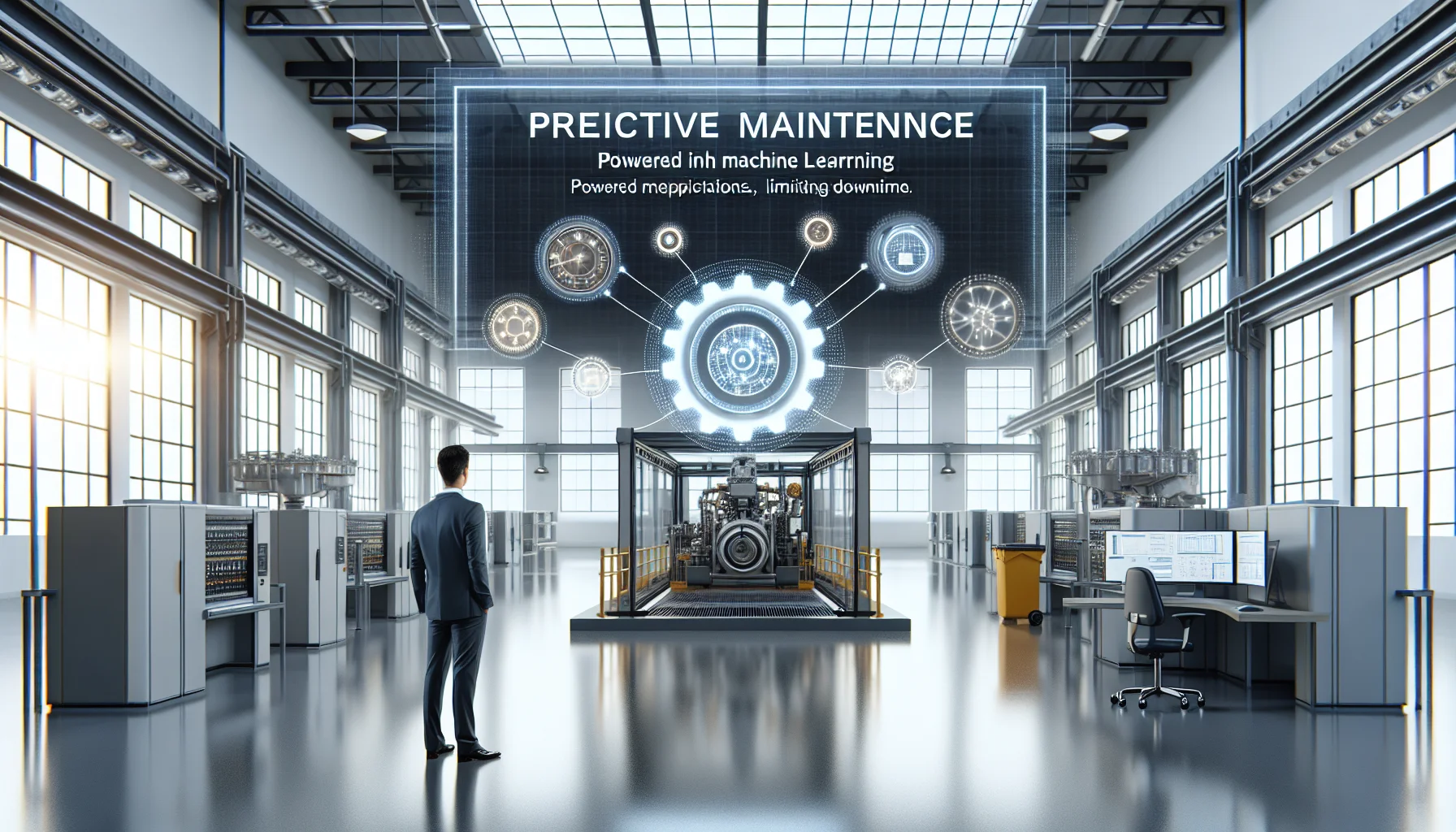
Machine learning in predictive maintenance helps predict equipment failures, reducing downtime and costs. By leveraging advanced algorithms and IoT integration, businesses can enhance operational efficiency and extend equipment life.