


Article identifies 7 practical trends shaping future trends neurodiversity L&D over 3–5 years—AI-driven personalization, real-time accessibility layers, UDL, analytics, hiring alignment, legal pressure, and assistive integration. It gives pilot sequencing, an innovation checklist, ROI framing and two scenarios to help L&D teams run measurable, short pilots for inclusive training.
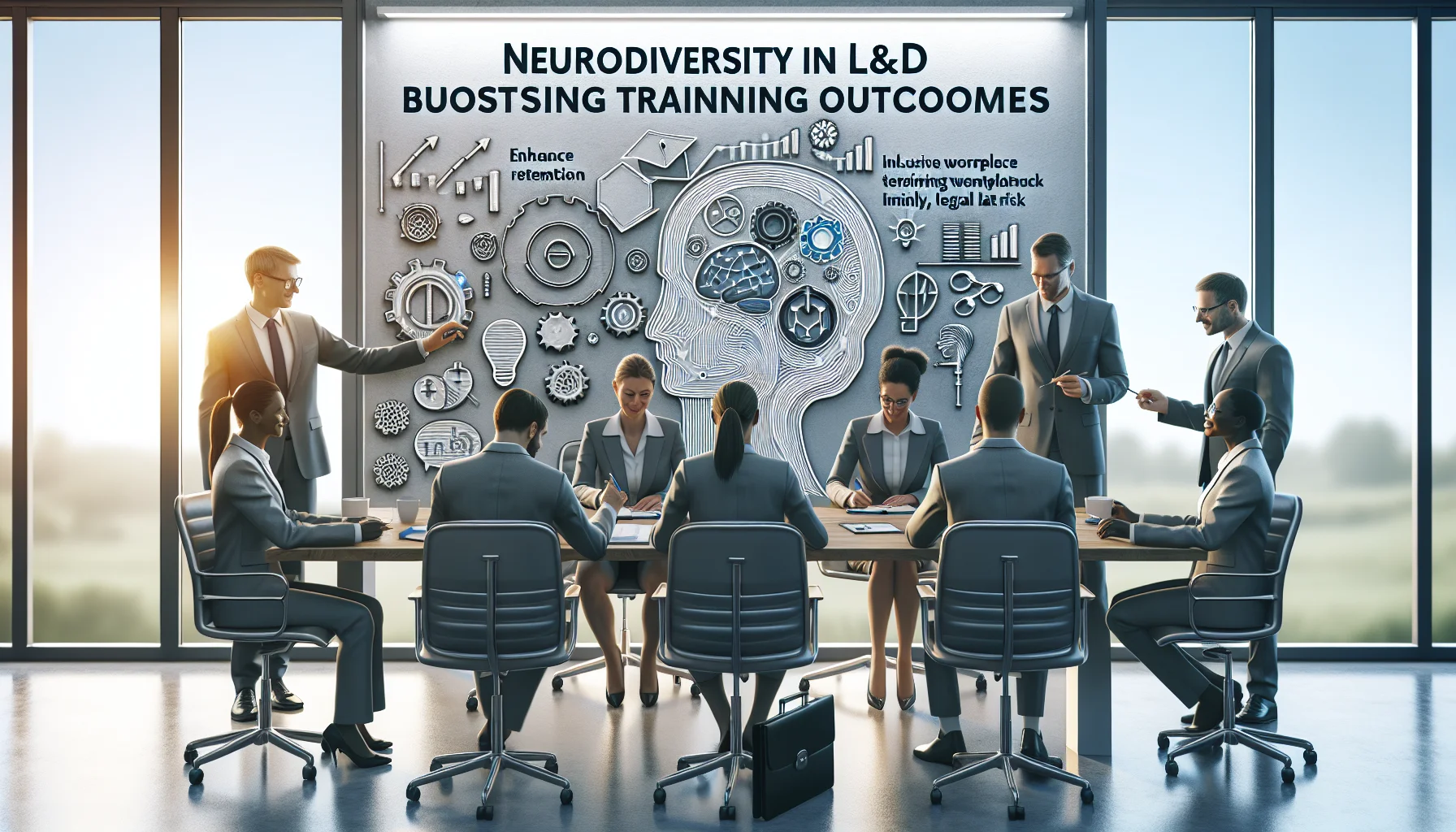
future trends neurodiversity L&D are converging around personalization, accessibility, and measurable inclusion. In our experience, L&D leaders who track these shifts early turn compliance obligations into competitive talent advantages. This article identifies 6–8 practical trends, explains direct implications for training teams, and offers an innovation checklist you can use to pilot inclusive programs that work for ADHD, dyslexia, autism and other neurotypes.
Expect concise, actionable guidance: trend definitions, quick wins, common pitfalls and two short speculative scenarios that show how these trends reshape day-to-day L&D work.
This section lists the emerging trends in neurodiversity training for workplaces we expect to dominate over the next 3–5 years. Each trend has a short practical note on why it matters.
AI-driven personalization will enable micro-adaptations to pace, format and cognitive load. Combined with an adaptive learning future, learning platforms will dynamically change content delivery for a learner with ADHD (shorter modules), dyslexia (audio-first options), or autism (explicit social scripts).
Why it matters: personalization reduces cognitive friction and increases completion rates. L&D teams should test AI rulesets on small cohorts before enterprise rollout.
AI accessibility learning tools will layer on real-time captions, simplified summaries and tone adjustments. These on-the-fly layers let learners toggle supports without changing the core content.
Why it matters: real-time layers lower the barrier to entry and protect content integrity for universal audiences.
Universal Design for Learning (UDL) principles will shift many orgs from one-size-fits-none courses to modular content blocks that combine visual, auditory and kinesthetic elements.
Why it matters: modular assets are cheaper to maintain and easier to localize for neurodivergent needs.
analytics for inclusion will move beyond completion metrics to measure cognitive load, navigation friction and accommodation uptake. Expect dashboards that show where learners drop off due to accessibility gaps.
Why it matters: data-driven inclusion connects investments to outcomes and informs targeted remediation.
Neurodiversity hiring pipelines will require closer L&D alignment so training maps to job access needs. Onboarding, mentoring and performance support will be co-designed with talent acquisition teams.
Why it matters: early alignment improves retention and reduces time-to-productivity for neurodivergent hires.
Increased legal scrutiny around reasonable accommodations will push L&D to document design decisions and provide accessible alternatives by default.
Why it matters: proactive documentation and accessible-by-default design cut legal risk and improve learner trust.
Integration with assistive technologies (screen readers, smart pens, focus-enhancement wearables) will become standard API functionality for learning platforms.
Why it matters: deep integration reduces manual workarounds and makes accommodations seamless.
Translating future trends neurodiversity L&D into practice requires prioritization. Start with changes that reduce friction and scale:
Operationally, build a minimum viable accommodation process: a clear intake form, a rapid-response remediation lane and a decision log for compliance. We've found that a three-week pilot cadence uncovers most usability issues quickly.
Some of the most efficient L&D teams we work with use platforms configured to automate rule-based personalization and accessibility layering; Upscend is one example that illustrates how teams automate workflow while retaining human review for edge cases.
Prioritize pilots that yield measurable improvements in engagement. A recommended order:
Each pilot should include pre/post metrics: completion, time-on-task, accommodation requests and user satisfaction.
Use this innovation checklist when you design pilots that test future trends neurodiversity L&D capabilities.
Common pitfalls to avoid:
A mid-size company pilots an AI personalization layer for sales onboarding. New hires with ADHD choose a "focus mode" that shortens modules and surfaces checklists. Completion rates for that cohort climb 35% and time-to-first-sale drops 18%. Analytics reveal reduced revisits to lecture-style videos, confirming lower cognitive load.
This scenario shows how AI-driven personalization and analytics for inclusion combine to prove impact quickly.
An enterprise replaces a dense, text-heavy compliance course with modular components and real-time summaries. Learners with dyslexia toggle audio-first modules; managers receive micro-lessons on clear language and accommodation policy. Accommodation requests fall, and HR reports faster dispute resolution because documentation is clearer and standardized.
This highlights the value of UDL adoption and real-time accessibility layers in reducing legal friction.
Forecasting ROI for future trends neurodiversity L&D requires a blended metric approach:
To model ROI, map projected improvements from pilots onto population size. For example, a 10% increase in retention for a cohort of 500 employees often outweighs pilot costs within 12–18 months. Studies show that inclusive design reduces long-term support costs and improves productivity; internal benchmarks will refine this quickly.
On legal scrutiny: document design choices, maintain accessibility logs, and ensure content versioning. This creates defensible records and demonstrates a proactive stance rather than reactive remediation.
Over the next 3–5 years, future trends neurodiversity L&D will make accessibility and personalization core L&D capabilities rather than optional add-ons. The winners will be teams that run tight pilots, instrument outcomes, and iterate quickly using a cross-functional playbook.
Start by running a six-week pilot that combines one personalization rule, accessibility layer and outcome dashboard. Use the innovation checklist above to keep pilots focused and measurable. If you want a simple next step: choose one high-impact course, identify two neurodivergent-friendly adaptations, set a control group and measure four core metrics (completion, time-to-task, satisfaction, accommodation requests).
Next step: assemble a 4–6 person pilot team (L&D, HR, IT, a neurodivergent learner advocate) and commit to a three-week discovery sprint to select the pilot course and success metrics.
The Upscend Team provides actionable insights on technology and business strategy.
Book a walkthrough and we'll show you how it applies to your own content.
 Psychology & Behavioral Science
January 12, 2026
This guide explains how to design training for neurodiverse learners—focusing on ADHD, dyslexia, and autism—using persona templates, inclusive design principles, and a six-step roadmap. It recommends micro-modules, multimodal delivery, predictable structure, and measurement frameworks. Start with audits and a small pilot to scale adjustments with governance.
 Psychology & Behavioral Science
January 12, 2026
Three industry case studies (tech, healthcare, retail) show that small, low‑cost L&D changes—micro‑modules, multimodal content and embedded reasonable adjustments—boost completion, reduce error rates and improve retention. The article provides KPIs, measurement steps and an 8‑week pilot blueprint so teams can replicate measurable neurodiversity‑friendly training outcomes.
 Psychology & Behavioral Science
January 12, 2026
This article presents ten neurodiversity design patterns—small, repeatable fixes grounded in UDL—to retrofit existing e‑learning for ADHD, dyslexia and autism. It includes time estimates, before/after micro-examples and a 2–4 week sprint plan so L&D teams can deliver measurable accessibility gains quickly.
 Business Strategy&Lms Tech
January 25, 2026
Future learning analytics will evolve into an operational nervous system, driven by multimodal signals, federated privacy, causal methods, generative personalization, and explainability. The article maps six domains, tactical recommendations, common pitfalls, and a pragmatic three-year roadmap—recommending two 90-day pilots, governance, and KPIs to capture 15–25% time-to-competency gains.