

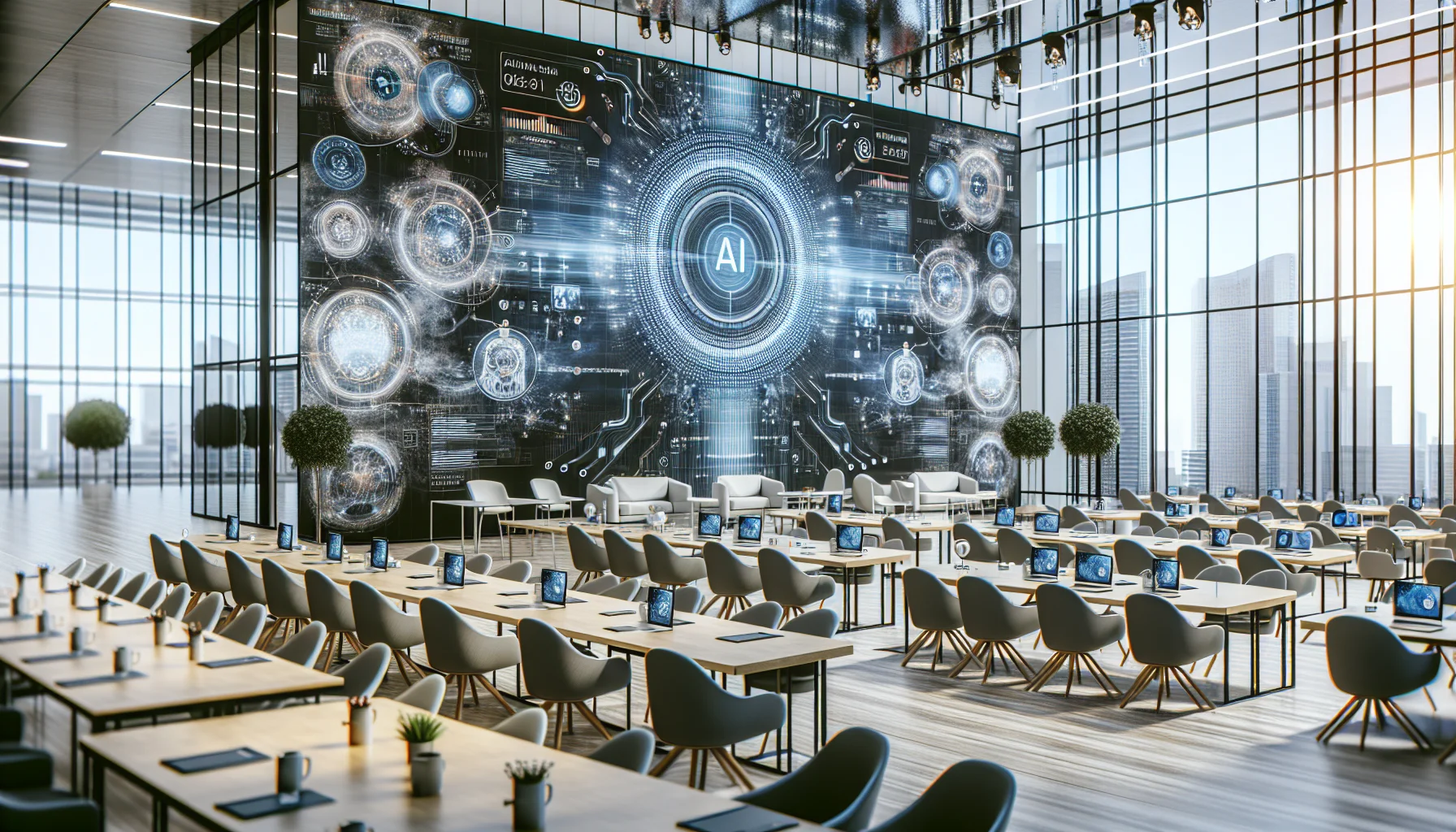
This article explains how ai digital twin, predictive analytics training, and simulation intelligence will transform training over five years by enabling adaptive scenarios, risk-weighted prioritization, and automated feedback. It outlines a phased roadmap (discovery, augmentation, autonomy), governance and validation controls, and recommended pilot experiments with measurable KPIs.
Introduction — overview and promise
In the next five years, an ai digital twin will evolve from a static model into an intelligent training environment that anticipates learner needs and scenario outcomes. This piece outlines how predictive analytics training, adaptive learning, and simulation intelligence will work together to raise immersive learning effectiveness, reduce risk in real operations, and shorten time-to-competency. In our experience, the organizations that win combine early pilot experimentation with clear data governance and continuous validation.
Adaptive scenarios are where simulation intelligence turns a replica into a tutor. An ai digital twin can use reinforcement learning and model ensembles to alter scenario complexity based on real-time trainee performance. Instead of replaying identical events, the system changes variables—timing, equipment state, environmental stressors—to drive higher-order decision-making. That leads to better transfer to on-the-job performance.
Key capabilities to prioritize:
Simulation intelligence embeds predictive models that anticipate outcomes rather than simply rendering physics. A simulation with intelligence predicts the likelihood of each outcome, quantifies risk, and suggests interventions. For training, that means the environment becomes a coach, highlighting probable mistakes before they happen and simulating rare edge cases without manual scripting.
Predictive analytics is the engine that converts historical and streaming data into learning signals. Integrating predictive analytics with an ai digital twin enables risk-weighted scenario generation and personalized remediation plans. For critical sectors—energy, aviation, healthcare—this reduces latent risk by focusing training on high-impact failure modes identified through pattern detection.
Practical uses include:
Yes. Studies show targeted practice on high-risk scenarios yields superior retention compared with random practice. In practice, combining predictive scoring with spaced rehearsal and feedback loops increases retention and decision speed. This answers the question of how predictive analytics improves immersive learning outcomes: by focusing effort where it changes safety and performance most.
Personalization is the most visible learner benefit. An ai digital twin can monitor skill trajectories and deliver automated, competency-based feedback that is timely and actionable. Automated coaching reduces instructor load while preserving judgement-driven mentoring.
Examples of adaptive learning features:
Operationally, combine these elements with a feedback pipeline that captures attempts, annotations, and system state. This requires robust telemetry and a feedback API that supports iterative model retraining (available in platforms like Upscend) to help identify disengagement early and tailor remediation.
Adopting advanced AI for an ai digital twin is best done in phases to control risk and demonstrate value. We recommend a three-phase roadmap: discovery, augmentation, and autonomy. Each phase has clear deliverables and validation gates.
Phase 1 — Discovery (3–6 months): Build data catalogs, map core competencies, and create a minimum viable twin for a single use case. Phase 2 — Augmentation (6–12 months): Add predictive analytics training models, automated feedback, and adaptive branching for more scenarios. Phase 3 — Autonomy (12–24 months): Move to continuous model updates, multi-scenario orchestration, and operational integration.
Checklist for each phase:
Two recurring pain points are data readiness and model explainability. For an ai digital twin to be trustworthy, data must be complete, labeled consistently, and time-synchronized. In our experience, teams underestimate the effort required to curate wearable, sensor, and operator log data into usable training datasets.
Governance must cover bias detection, validation frequency, and escalation paths when model recommendations conflict with human judgement. Techniques such as counterfactual testing, SHAP values, and scenario-based audits help on explainability.
Implement the following practical controls:
Run pilots that are small in scope but measurable. We recommend three pilot types: scenario expansion, feedback automation, and predictive prioritization. Each pilot targets a single KPI so you can attribute improvement to the intervention.
Suggested pilots:
Key metrics to track:
Avoid these mistakes: launching with poor-quality telemetry, using opaque models without explainability tools, and skipping instructor buy-in. Early stakeholder involvement and clear acceptance criteria prevent wasted effort.
Summary: Over the next five years, the combination of ai digital twin, predictive analytics training, and adaptive learning will make training more efficient, targeted, and risk-aware. Simulation intelligence will generate edge cases and quantify risk, while machine learning will personalize remediation and automate feedback. Organizations that sequence adoption through discovery, augmentation, and autonomy will see the best returns.
Practical next steps:
In our experience, disciplined pilots and clear governance convert experimental projects into operational capabilities. The future of ai in digital twin training is incremental but decisive: each well-designed experiment compounds improvement in learner outcomes and system safety. If you’re preparing a roadmap, start by mapping competencies to telemetry and schedule a pilot that demonstrates measurable reduction in critical errors.
Call to action: Begin with a one-month discovery sprint to inventory data, define KPIs, and select your first pilot scenario—document the plan, and set a 90-day demo that proves measurable impact.
The Upscend Team provides actionable insights on technology and business strategy.
Book a walkthrough and we'll show you how it applies to your own content.
 Lms
LmsDecember 24, 2025
This article forecasts how lms and ai2026 learnings will transform learning platforms by 2030 into adaptive, competency-driven ecosystems. It outlines architectural patterns (skill graphs, event streams), practical pilot steps, and governance essentials — data readiness, explainability, and bias audits — to help organizations run effective AI-enabled LMS pilots and scale responsibly.
 Business Strategy&Lms Tech
December 31, 2025
This article forecasts how AI in learning will embed content generation, personalization AI, automated coaching, and skills inference into LMS and LXP platforms over five years. It outlines data governance, bias mitigation, vendor maturity, and a speculative roadmap, and recommends two 60–90 day pilots: semantic tagging and a micro-coaching assistant.
 Psychology & Behavioral Science
January 12, 2026
Article identifies 7 practical trends shaping future trends neurodiversity L&D over 3–5 years—AI-driven personalization, real-time accessibility layers, UDL, analytics, hiring alignment, legal pressure, and assistive integration. It gives pilot sequencing, an innovation checklist, ROI framing and two scenarios to help L&D teams run measurable, short pilots for inclusive training.
 Ai
AiFebruary 3, 2026
In 2026 simulation training trends emphasize AI-generated scenarios, synthetic data, composable digital twins, and immersive remote exercises. High-risk industries should pilot hybrid AI scenarios, standardize data governance, deploy interoperable twins, and follow a three-year roadmap to scale simulations from pilots to audited, continuous learning programs.