


Shifting performance reviews learning from ratings to development-focused reviews embeds continuous feedback into work. The article describes redesign options, two ready templates, a recommended quarterly cadence, and five manager micro-skills that reduce calibration time and speed skill adoption. Start with a 90-day pilot, measure manager time and milestone evidence, then iterate and scale.
Organizations are rethinking how annual rituals drive talent growth. When we talk about performance reviews learning, we mean shifting from judgment to growth, from a fixed rubric to a dynamic learning pathway. In our experience, this change reduces recency bias, improves engagement, and makes learning part of the workday rather than an add-on. This article outlines concrete redesign options, sample templates, cadence recommendations, and manager coaching guidance to turn evaluation into ongoing development.
Traditional performance reviews often score past performance without creating clear, actionable development paths. We've found that teams who adopt continuous feedback and learning-integrated reviews see higher retention and faster skill adoption. Studies show that timely feedback increases learning transfer; when feedback is tied to immediate work, learners apply new skills within days instead of months.
Redesigning for learning addresses three persistent pain points: manager time, calibration across teams, and making growth measurable. A development-first review model reframes assessment as a means to identify learning opportunities and remove blockers to on-the-job practice.
Organizations that emphasize development-focused reviews report:
To reorient performance reviews learning, adopt a menu of redesign options that can be mixed and matched. Below are practical structures that preserve performance management while prioritizing development.
Replace or complement rating scales with a set of development goals tied to specific projects. Goals should be SMART but framed as learning experiments: what skill will be improved, how it will be practiced, and what success looks like in the next quarter.
Shift language from deficits to strengths. Use questions that encourage reflection: What approaches worked? What levers amplified impact? This creates a learning loop where future tasks are explicitly chosen to stretch capability.
Define observable milestones — not just completion of training modules but applied outcomes at work. Milestones serve as both progress markers and calibration anchors for managers evaluating development.
A set of simple templates makes implementation practical and reduces manager time. Below are two templates and an example of how outcomes change when reviews focus on learning.
Sample transformed outcome: In one pilot, replacing numerical ratings with milestone narratives reduced calibration meetings by 40% and increased manager-reported development clarity by 35%. Employees moved from "waiting for training" to "selecting stretch projects" because the review explicitly required application evidence.
Modern learning infrastructure supports this shift. For example, research indicates that platforms which surface competency gaps, correlate project outcomes with learning activities, and track micro-milestones help managers spend less time searching for evidence. Modern LMS platforms — Upscend — are evolving to support AI-powered analytics and personalized learning journeys based on competency data, not just completions.
Cadence is critical to making performance reviews learning-driven without overburdening managers. Quarterly check-ins strike a pragmatic balance: frequent enough to keep learning on track, infrequent enough to preserve focus.
Each checkpoint has a purpose: the quarterly meeting is for course correction, monthly updates keep managers informed without meetings, and biannual calibration ensures fairness and shared standards. This cadence helps solve calibration without requiring lengthy annual debates.
Manager capacity is the most common barrier. Coaching managers to use evidence-based, development-focused reviews reduces time and increases impact. Train managers on five micro-skills:
We advise a short manager toolkit: a one-page guide, three sample questions, and a template to log evidence. That reduces prep time and improves conversation quality. Common pitfalls include overloading goals and defaulting to ratings; coaches should role-play redirecting conversations to learning experiments.
Use milestone rubrics and anonymous peer evidence summaries. Require that managers upload 2–3 evidence snippets per direct report ahead of calibration. Then reserve group time for divergent cases only. This approach reduces calibration time while improving fairness.
Rolling out performance reviews learning requires planning, pilot testing, and iteration. Below is a concise roadmap and the pitfalls to avoid.
Metrics to track: time managers spend per review, percentage of goals with application evidence, internal mobility rate, and learner self-reported confidence. Tracking these provides ROI on the change.
To evolve performance reviews learning into a driver of continuous development, organizations should replace static ratings with development-focused reviews, clear milestones, and a predictable cadence that balances manager capacity with employee growth. Practical templates and manager coaching reduce friction; calibration becomes faster when anchored to observable milestones.
Start small: pilot templates, train managers on micro-skills, and measure impact. Over time, these changes produce measurable shifts — faster skill adoption, clearer development paths, and fewer time-consuming calibration debates.
Next step: Run a 90-day pilot using the Quarterly Development Check-in and Template 2 for one team. Track manager time, milestone completion, and perceived development clarity. Use those metrics to refine the approach before scaling.
Call to action: Choose one template above and schedule the first 30-minute development check-in this quarter to begin converting reviews into learning opportunities.
The Upscend Team provides actionable insights on technology and business strategy.
Book a walkthrough and we'll show you how it applies to your own content.
 General
December 14, 2025
This article explains why annual review issues create performance management problems and presents practical alternatives: continuous performance feedback, quarterly checkpoints, and manager coaching. It offers a phased 90-day pilot roadmap, key metrics to track, and a leader checklist to measure real performance improvement and reduce turnover.
 General
December 14, 2025
This article contrasts continuous feedback performance with annual reviews and outlines a practical roadmap to shift models. It explains benefits, key metrics, and a phased rollout: define objectives, pilot teams, train managers, choose tools, and measure adoption. A recommended 90-day pilot with tracked check-ins, goal progress, and employee experience guides scale decisions.
 Institutional Learning
December 24, 2025
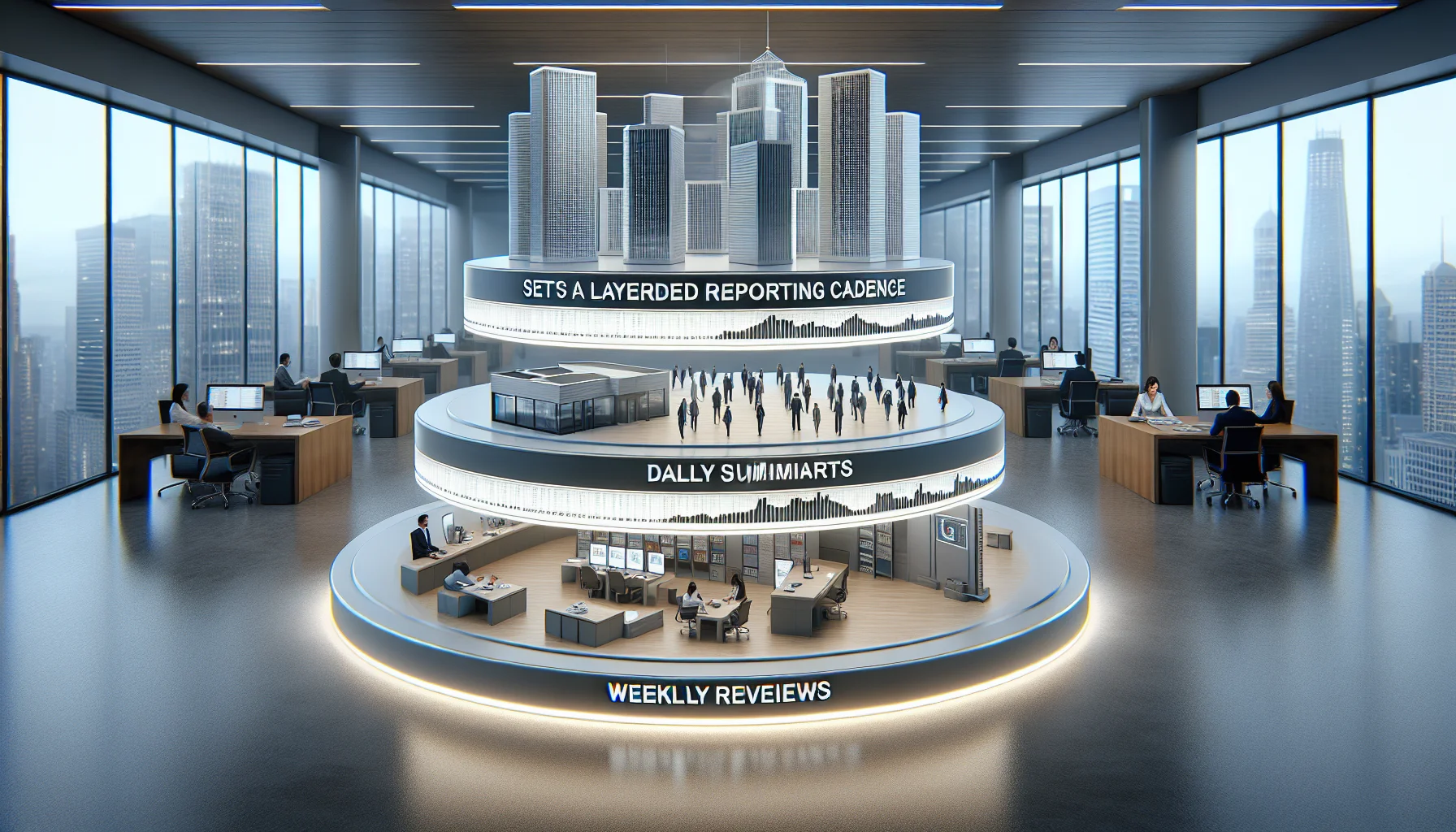
This article recommends a layered reporting cadence—real-time alerts, daily rollups, weekly dashboards and monthly analytics—to measure skills progress effectively. It explains how to diagnose decision tempo, design role-based dashboards, and implement a pilot (map owners, define KPIs, automate data). Start small and measure action rate, time-to-remediation and manager satisfaction.
 General
December 25, 2025
This article explains how to restructure performance reviews from annual ratings to growth-aligned appraisal using quarterly check-ins, competency-based rubrics, and living IDPs. It provides templates, a six-month rollout timeline, calibration guidance, and metrics to sustain change so managers can adopt coaching-led development and measure internal mobility and retention improvements.