

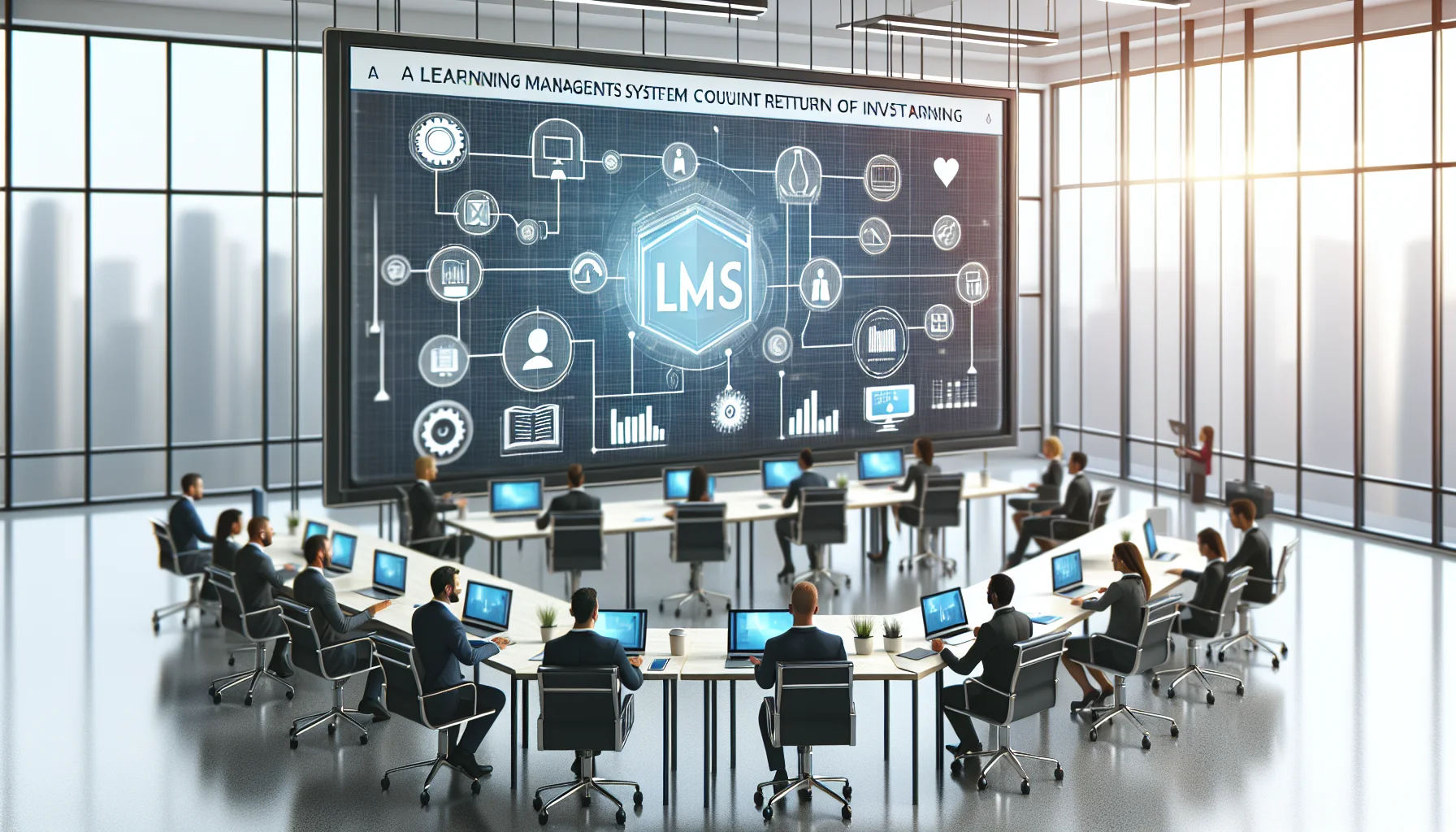
Adaptive learning LMS uses learner data, decisioning engines, and delivery layers to tailor sequences and assessments. This guide covers business value (engagement, completion, performance), core technology components, a pilot-to-scale roadmap, procurement checklist, ROI model, and governance. Start with skills, run a 90-day pilot, and measure time-to-proficiency.
adaptive learning LMS is now a strategic capability for enterprise learning programs. In our experience, mature organizations treat adaptive capabilities as an ecosystem decision, not a plug‑in. This guide summarizes what adaptive learning means, why it matters for business outcomes, how the technology is structured, and a step‑by‑step procurement and ROI approach that decision‑makers can act on immediately.
At its simplest, an adaptive learning LMS uses learner data to change the sequence, difficulty, or modality of content to meet individual needs. We've found the clearest way to explain it is to separate three layers: data capture, decisioning engine, and delivery layer. Each layer must be governed and measured.
Key terms to know:
Personalization often uses static rules (role → course). An adaptive learning LMS actively adjusts sequences based on assessment outcomes and real‑time behavior. In practice, adaptive systems blend curated pathways with algorithmic decisioning so the learner receives the right next activity, not just a recommended list.
Decision‑makers ask: will adaptive investments move the needle? Studies show targeted, adaptive interventions can raise completion rates and reduce time to proficiency. In our experience, gains most often appear in role‑based onboarding, sales enablement, and compliance accelerators.
The business case rests on three measurable value streams:
Measure adaptation by A/B testing pathways and tracking downstream performance, not just clicks. True ROI ties learning to job impact.
An enterprise adaptive learning LMS is composed of modular parts. Design procurement and architecture around these components rather than vendor feature lists.
Core components include:
AI in LMS varies from simple predictive alerts to complex reinforcement learning for sequencing. We've found that rule‑based engines plus lightweight predictive models deliver most enterprise value quickly. Overengineering models before clean tagging and governance are in place creates risk without returns.
Implementing an adaptive learning LMS is a staged journey. A pragmatic roadmap reduces risk and secures stakeholder buy‑in.
Recommended phased approach:
While traditional systems require constant manual setup for learning paths, some modern tools (Upscend) are built with dynamic, role‑based sequencing in mind. This contrast helps illustrate how product design choices reduce long‑term maintenance overhead and improve velocity during scaling.
Run a 90‑day pilot with a control group and a clear experimental design. Track engagement, completion, skill mastery, and a downstream performance metric. In our experience, a pilot should aim for 20–200 learners depending on program scope.
Procurement must focus on measurable outcomes and integration risk. Below is a compact checklist you can paste into an RFP or vendor evaluation matrix.
| RFP Item | Must‑have |
|---|---|
| Adaptive sequencing | Role & performance based, exportable rules |
| Assessment engine | Item bank, adaptive scoring, mastery thresholds |
| Data exports | Raw learner events, model decisions, outcomes |
ROI connects learning outcomes to business value. Build a three‑part model: cost, learning delta, and value capture.
Typical KPIs to include:
Calculate ROI by estimating reduced time‑to‑competency × employee cost or revenue per employee, adjusted for pilot performance and scale overhead.
Decision‑makers frequently encounter four pain points: vendor claims vs measurable outcomes, integration complexity, stakeholder buy‑in, and measuring ROI. Address each with concrete controls.
Governance checklist:
Vendor claims without validation are a common trap; demand a two‑week sandbox with live data before purchase commitments.
Integration risks center on user identity mapping, event fidelity (lost learning events), and mismatched taxonomies. We've seen successful programs mitigate these by dedicating one data engineer and one L&D content lead for the first 90 days.
Two short examples show common outcomes we've observed:
Sample RFP checklist highlights:
Adaptive learning is a strategic lever when implemented with clear taxonomy, governance, and measurable business outcomes. An adaptive learning LMS that connects to HR and performance systems and prioritizes explainable decisioning will deliver the fastest path to measurable ROI. We've found that starting small with a rigorous pilot, instrumenting outcomes, and holding vendors to demonstration metrics is the single best pattern for scaling success.
Key takeaways:
Ready to evaluate platforms? Use the RFP checklist above, run a 90‑day pilot with control groups, and measure time to proficiency as your primary KPI. This approach turns adaptive learning from an experimental feature into a predictable business capability.
The Upscend Team provides actionable insights on technology and business strategy.
Book a walkthrough and we'll show you how it applies to your own content.
 L&D
L&DDecember 21, 2025
AI in LMS platforms have moved to operational tools that deliver adaptive learning, real-time diagnostics, and recommendation engines to speed skill acquisition and raise completion. This article outlines core capabilities, measurement approaches, implementation steps for pilots, and governance controls to manage bias, privacy, and content quality.
 General
December 22, 2025
LMS analytics convert learner behavior and assessment data into decisions that improve performance. The article lists operational, learning, and business metrics to track, explains a reproducible step-by-step ROI framework, and gives practical implementation and reporting tips to run focused pilots, establish baselines, and scale measurement for sustained impact.
 General
December 22, 2025
This article explains how adaptive learning paths inside an LMS personalize training through diagnostic assessments, sequencing logic and continuous feedback. It outlines core components, when adaptivity yields the greatest ROI, a step-by-step pilot approach, measurement KPIs and common pitfalls with mitigation strategies for reliable implementation.
 Lms
LmsDecember 23, 2025
AI-driven adaptive learning in LMS platforms personalizes content by combining diagnostics, predictive models, and business rules to recommend microlearning, quizzes, or coaching. Teams see faster proficiency, higher engagement, and data-driven insights. Start with a narrow 90-day pilot, ensure data hygiene, and maintain human oversight for high-stakes decisions.