


This article breaks down the Cost of feedback automation into tooling, compute, integration, annotation, maintenance, and change management. It provides sample year‑one budgets for small, medium, and large institutions, a simplified three‑year TCO, annotation rate estimates, and practical tactics — pilot rollouts, capped pilot pricing, and sampling human review — to control spend.
The Cost of feedback automation is a practical question every LMS leader asks when evaluating AI summarization projects. In our experience, teams underestimate how many moving parts drive price: licenses, cloud compute, integration, human labeling, and organizational change all add up. This article breaks down those components, shows sample budgets for small, medium, and large institutions, and gives a three-year TCO model so you can plan with confidence.
We focus on actionable budgeting steps and procurement pitfalls so you can answer: where do costs come from implementing AI based feedback summarization and how to budget for feedback summarization implementation without surprises.
Breaking the budget into component buckets makes the Cost of feedback automation predictable. The main categories we track are tooling, compute, integration, annotation labor, maintenance, and change management. Each has distinct drivers and scaling behavior.
Below is a concise breakdown you can use to start estimates and conversations with procurement and IT.
SaaS platforms and API access are often the largest line item initially. Licensing models vary: per-seat, per-API call, or tiered subscriptions. Estimate both steady-state license fees and any enterprise features (SAML, data residency, SLA) you require. If you rely on hosted models, include per-token or per-API-call surcharges in monthly forecasts.
Compute costs depend on model choice and throughput. Lightweight summarization can run on CPU instances; custom fine-tuning or large transformer inference requires GPU or specialized inference units. Forecast peak usage and include costs for storage and network egress. We recommend modeling multiple demand scenarios (low/medium/high) to understand sensitivity to usage spikes.
Integration includes connecting the summarizer to LMS databases, privacy controls, and the UI. Budget for backend engineering, API development, data pipelines, and QA. Integration often has fixed upfront effort and smaller ongoing work for new features or connectors.
When planning, treat the Cost of feedback automation as a multi-year investment. The right budgeting method layers initial capital/implementation expenses and recurring operational costs. We've found a three-part approach effective: estimate baseline fixed costs, estimate variable usage costs, and add contingency for hidden expenses.
Below is a simple budget framework and templates for three institution sizes you can adapt.
Use these assumptions to populate a spreadsheet: expected monthly active users, average number of feedback items processed per user, desired latency (batch vs. real-time), and required accuracy/quality threshold. From these, calculate API calls, annotation volume, and compute hours.
Include a contingency of 10–20% for procurement delays and unexpected compliance work.
Beyond visible line items, the Cost of feedback automation often includes hidden costs that derail budgets. Common surprises include legal review for data use, egress fees for cloud exports, audit and compliance work, and custom SLAs required by risk teams.
Procurement can be delayed by lengthy security assessments, and vendor models that charge per-request can create unpredictable monthly bills. Building a realistic forecast requires explicit allowances for these risks.
Work with procurement early, provide clear requirement sets, and select vendors that publish SOC, ISO, or EDU-ready compliance artifacts. Negotiating capped API spend for the pilot phase is a practical safeguard against runaway bills.
Annotation and human-in-the-loop review are major drivers of the Cost of feedback automation, especially when you pursue high accuracy and bias mitigation. In our experience, annotation costs scale with required quality and complexity of labels. Simple summarization alignment tasks cost less; sentiment nuance or multi-label tagging increases per-item rates.
Plan annotation budgets based on volume, unit cost per label, review cycles, and the percentage of items routed for manual review.
Sample rate assumptions:
Decide the acceptable risk level for automated summaries. A hybrid model where 5–15% of outputs are sampled for human review dramatically reduces error while keeping the Cost of feedback automation manageable. Track review rates and retraining frequency to budget ongoing annotation line items.
The three-year TCO feedback automation model should include recurring license fees, cloud costs, engineering support, model refresh cycles, and change management refreshes. We recommend modeling years 1–3 separately because integration and setup are front-loaded, while ongoing costs stabilize later.
Practical solutions for operationalizing summarization include scheduled retraining, automated monitoring, and a rollback plan for model regressions (available in some platforms). (This process requires tooling that supports feedback loops and live dashboards — helpful platforms exist for these tasks; Upscend offers features that make monitoring and intervention workflows easier.)
| Line item | Year 1 | Year 2 | Year 3 |
|---|---|---|---|
| Tooling / Licenses | $60,000 | $48,000 | $48,000 |
| Compute & Storage | $30,000 | $36,000 | $36,000 |
| Integration & Engineering | $50,000 | $20,000 | $20,000 |
| Annotation & QA | $12,000 | $12,000 | $12,000 |
| Change Management / Training | $8,000 | $6,000 | $6,000 |
| Total | $160,000 | $122,000 | $122,000 |
Year 1 typically has 50–70% of upfront work and costs. Years 2–3 should trend toward maintenance and growth. Track actual usage monthly and maintain a reserve for spikes during peak academic events.
To reduce the Cost of feedback automation, combine technical choices with procurement strategy and phased deployment. We’ve found these tactics cut risk and cap spend effectively.
Use a pilot-first approach, limit early annotation volume, and choose models that align with performance needs rather than defaulting to the largest available model.
Estimating the Cost of feedback automation requires discipline: separate one-time integration work from recurring operational costs, explicitly budget annotation and compliance work, and prepare contingencies for procurement delays. We’ve found that institutions that model three-year TCOs and adopt phased rollouts avoid the most common budget overruns.
Start with a small pilot budget, instrument usage and quality metrics, and iterate on both technology and governance. This approach keeps costs predictable while delivering value to instructors and learners.
Next step: Build a simple spreadsheet using the sample templates here, run a 3-month pilot cost scenario, and present a three-year TCO to procurement for approval.
The Upscend Team provides actionable insights on technology and business strategy.
Book a walkthrough and we'll show you how it applies to your own content.
 General
December 14, 2025
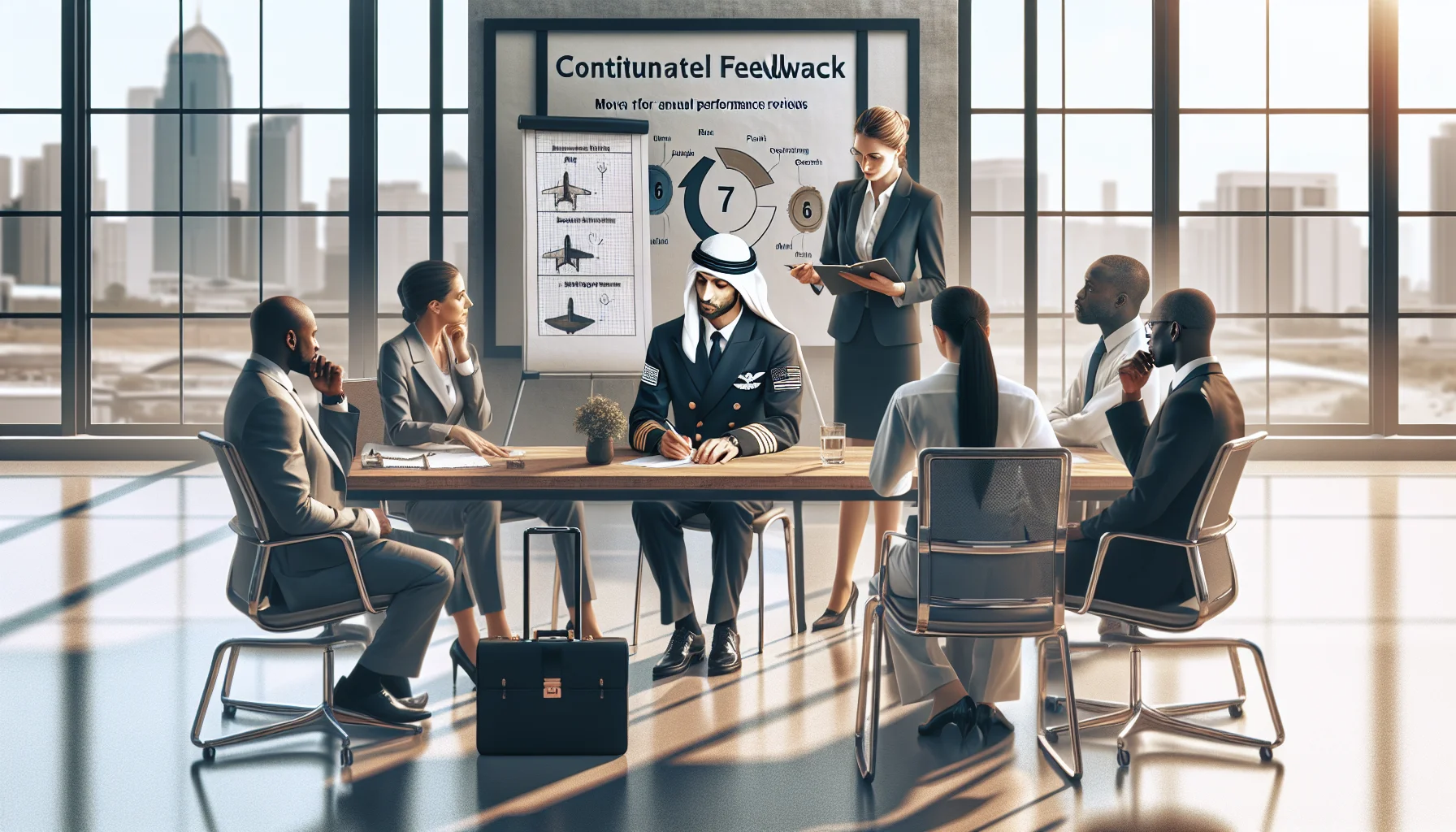
This article explains why annual review issues create performance management problems and presents practical alternatives: continuous performance feedback, quarterly checkpoints, and manager coaching. It offers a phased 90-day pilot roadmap, key metrics to track, and a leader checklist to measure real performance improvement and reduce turnover.
 General
December 14, 2025
Annual reviews create recency bias, delayed coaching, and rating inflation. This article outlines practical performance management alternatives—frequent check-ins, real-time feedback loops, and outcome-based reviews—and provides a six-phase rollout (diagnose, design, pilot, train, scale, measure). Start with a 90-day pilot, track simple KPIs, and iterate based on data.
 General
December 14, 2025
This article explains how to fix employee feedback systems by prioritizing design and follow-through. Use the Define→Collect→Act→Measure framework and a six-step checklist—clarify outcomes, choose channels, assign owners, set cadences, train managers, and measure impact—focusing on short pulses, structured 1:1s and recognition tied to metrics.
 Ai
AiDecember 28, 2025
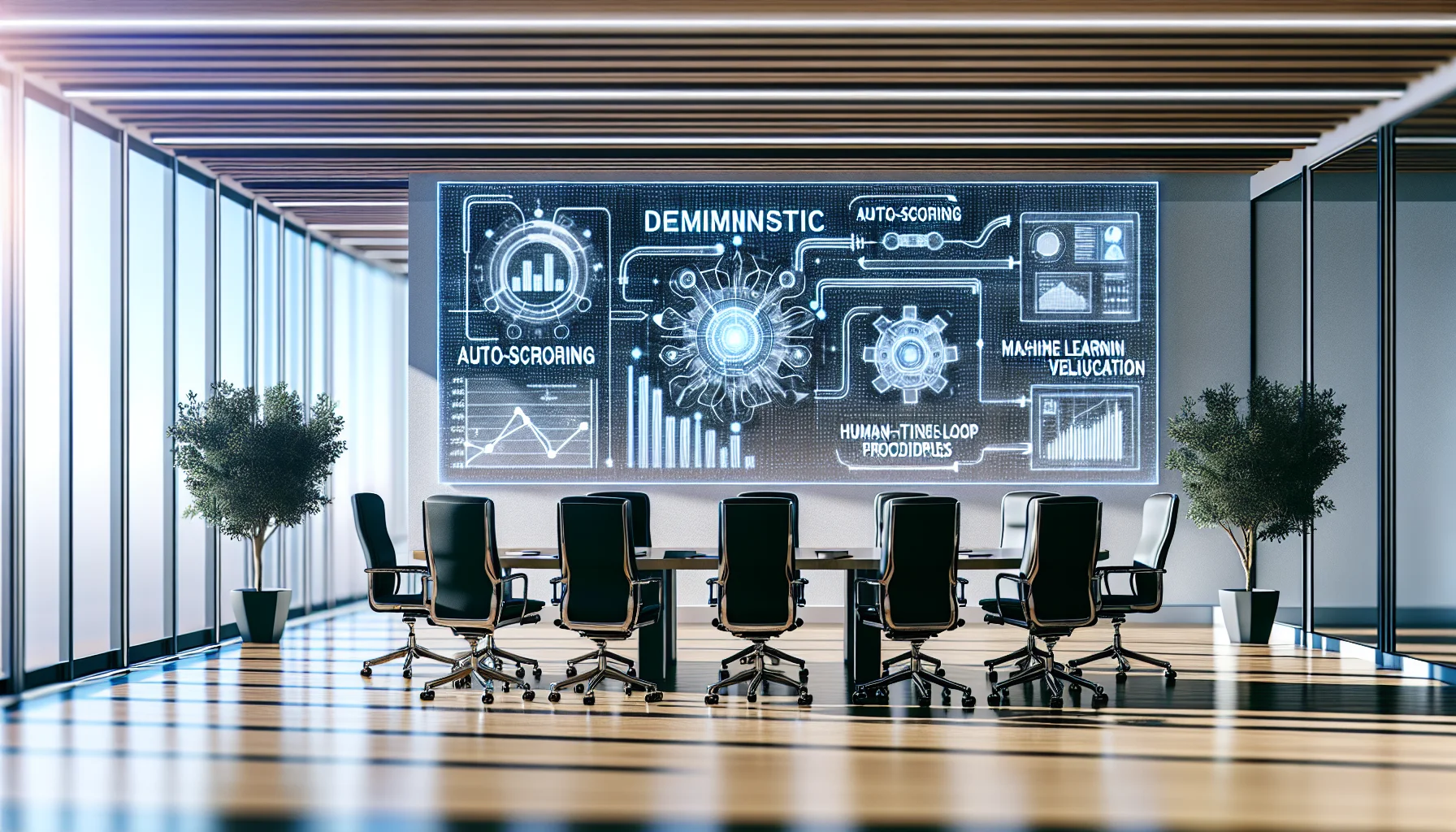
Automated feedback loops combine deterministic auto-scoring, ML evaluation, and human-in-the-loop routing to shorten time-to-certification, increase assessor throughput, and improve grading consistency. This article maps the technology stack, operational workflows, ROI drivers, governance controls, and a practical pilot-to-scale roadmap for AI-driven grading in technical certification programs.