

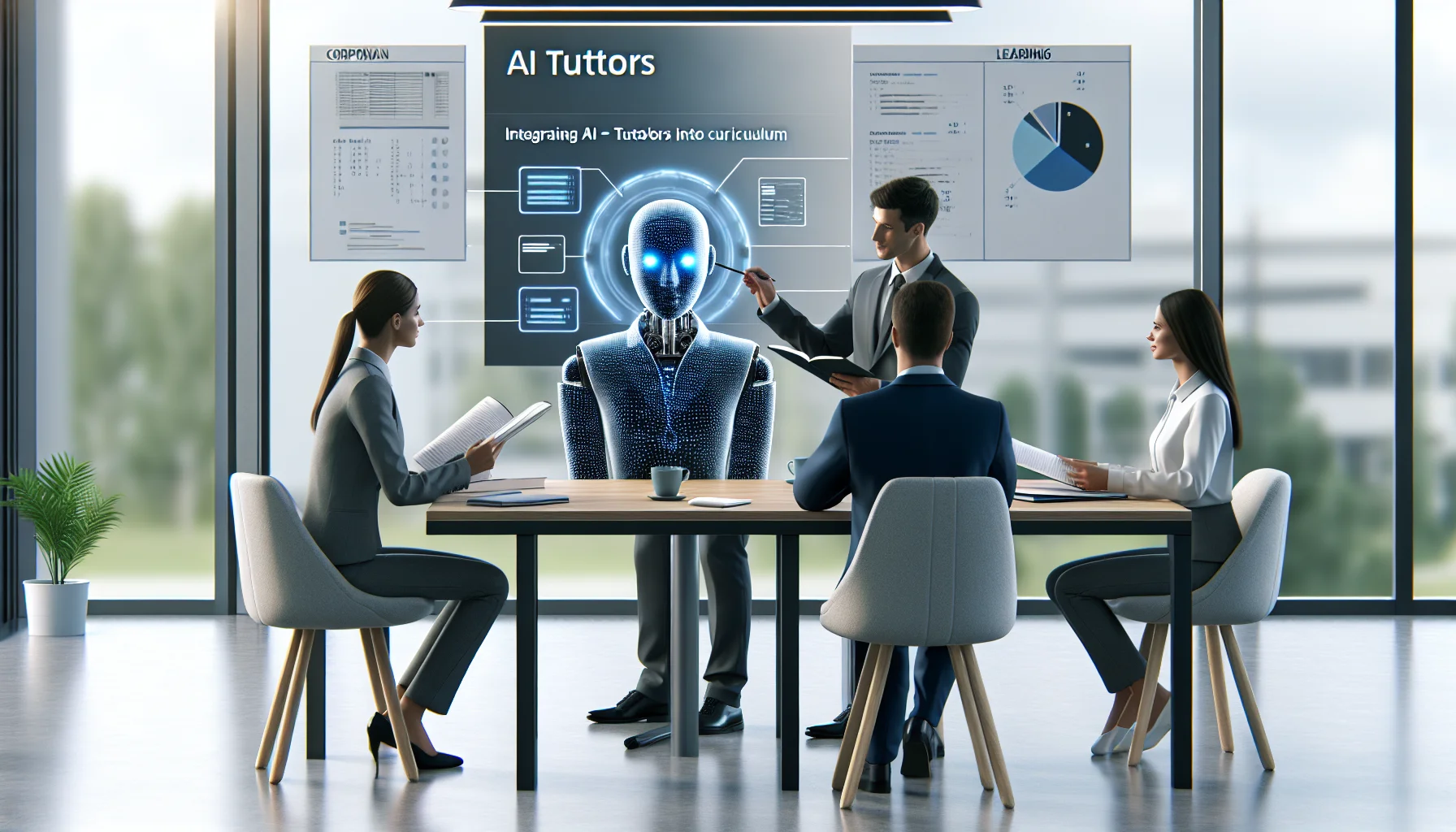
This article maps five core blended learning trends through 2030—AI personalization, adaptive assessments, immersive XR, micro-credentials, and data governance—and presents a phased adoption timeline (2024–2030). It outlines HR impacts, common failure modes, strategic recommendations, and a practical checklist leaders can use to pilot and scale competency‑based programs.
Blended learning trends are accelerating as organizations reconfigure how they teach, certify, and measure skills across dispersed workforces. In our experience, leaders who treat hybrid education as a systems challenge—rather than a series of discrete pilots—capture the most value. This article synthesizes the most consequential blended learning trends through 2030, pairing practical guidance with a clear adoption timeline so learning leaders and HR strategists can act with confidence.
Over the next decade, a small set of forces will define blended learning trends: pervasive AI-driven personalization, continuous micro-credentials, immersive experiences, and heightened data governance. These trends converge on one outcome: learning that is modular, measurable, and tied directly to on-the-job performance.
Below are the five core themes shaping hybrid education between now and 2030:
AI will shift blended programs from course-centric to learner-centric models. AI in blended learning will power content sequencing, time-on-task recommendations, and just-in-time coaching flagged by performance signals. We've found that small, automated nudges—delivered at the moment of need—produce larger retention gains than lengthier synchronous sessions.
Practical developments to watch:
For HR and talent teams, these blended learning trends change resource allocation and hiring models. Learning budgets will shift from content acquisition to data integration, analytics capability, and credential management. In our experience, organizations that re-skill HR teams for product management and data literacy gain faster ROI.
Key HR implications:
Blended programs will become talent pipelines: a successful learner pathway converts into shorter onboarding, fewer external hires, and improved retention. Employers will invest in competency taxonomies, and HR will need to operationalize learning outcomes as part of career progression frameworks.
Predictive curves for blended learning trends 2030 and beyond show stepped adoption: early AI augmentation (2024–2026), integrated micro-credential economies (2026–2028), and mainstream immersive experiences (2028–2030). Below is a compact timeline that leaders can use in planning cycles.
| Phase | Years | Characteristics |
|---|---|---|
| AI Augmentation | 2024–2026 | Recommendation engines, automated assessments, pilot chat agents |
| Credential Integration | 2026–2028 | Micro-credentials mapped to competencies, HR systems integration |
| Immersive Mainstream | 2028–2030 | Scaled AR/VR labs, simulated workspace training, proctored virtual assessments |
Widespread AI features (adaptive sequencing, automated feedback) will be common by 2026; immersive platforms will hit mainstream enterprise use by 2028–2030 once cost and content pipelines mature. Adoption speed depends on vendor interoperability, standards for credential portability, and regulatory clarity.
To navigate the upcoming wave of blended learning trends, leaders should treat their learning ecosystem as an integrated product with clear objectives, KPIs, and guardrails. Below are prioritized actions we recommend.
Some of the most efficient L&D teams we work with use platforms like Upscend to automate this entire workflow without sacrificing quality. This approach—pairing competency taxonomies with automation—shortens time-to-impact and reduces manual orchestration costs.
Adoption is not frictionless. Primary obstacles to realizing these future trends in blended learning and AI adoption are legacy systems, mismatched incentives, and emerging privacy rules. Leaders must plan for three common failure modes:
Organizations that invest 20% of their L&D transformation budget into integration and governance reduce program failure rates substantially.
Mitigations include adopting modular architectures, building cross-functional governance bodies, and proactively modeling regulatory scenarios (data localization, consent management, explainability requirements).
A visual strategy helps stakeholders imagine the future. Use three assets: a trend timeline, concept artwork for immersive labs, and predictive adoption curves that show plateau points for features. These visuals accelerate alignment between L&D, IT, and business leaders.
Short scenario narratives clarify tradeoffs:
Plot feature readiness against organizational readiness. Features like basic adaptive assessments score high on readiness but moderate on impact; immersive labs score high on impact but require greater investment and cultural change. This visualization helps sequence investments for maximum short- and long-term return.
The coming decade will redefine how organizations learn. The most consequential blended learning trends—AI personalization, adaptive assessments, immersive tech, micro-credentials, and stricter data governance—demand an integrated strategy that aligns learning outcomes with business metrics.
Actionable next steps:
Key takeaways: Treat blended programs as products, invest in data models and governance, and sequence pilots to balance risk and reward. Organizations that follow these steps will be better positioned to capture the benefits of the most important blended learning trends through 2030 and beyond.
For leaders ready to act, begin with a focused pilot, define success metrics, and commit to incremental scaling—those practical moves make the difference between a costly experiment and a sustained capability.
The Upscend Team provides actionable insights on technology and business strategy.
Book a walkthrough and we'll show you how it applies to your own content.
 Business Strategy&Lms Tech
January 26, 2026
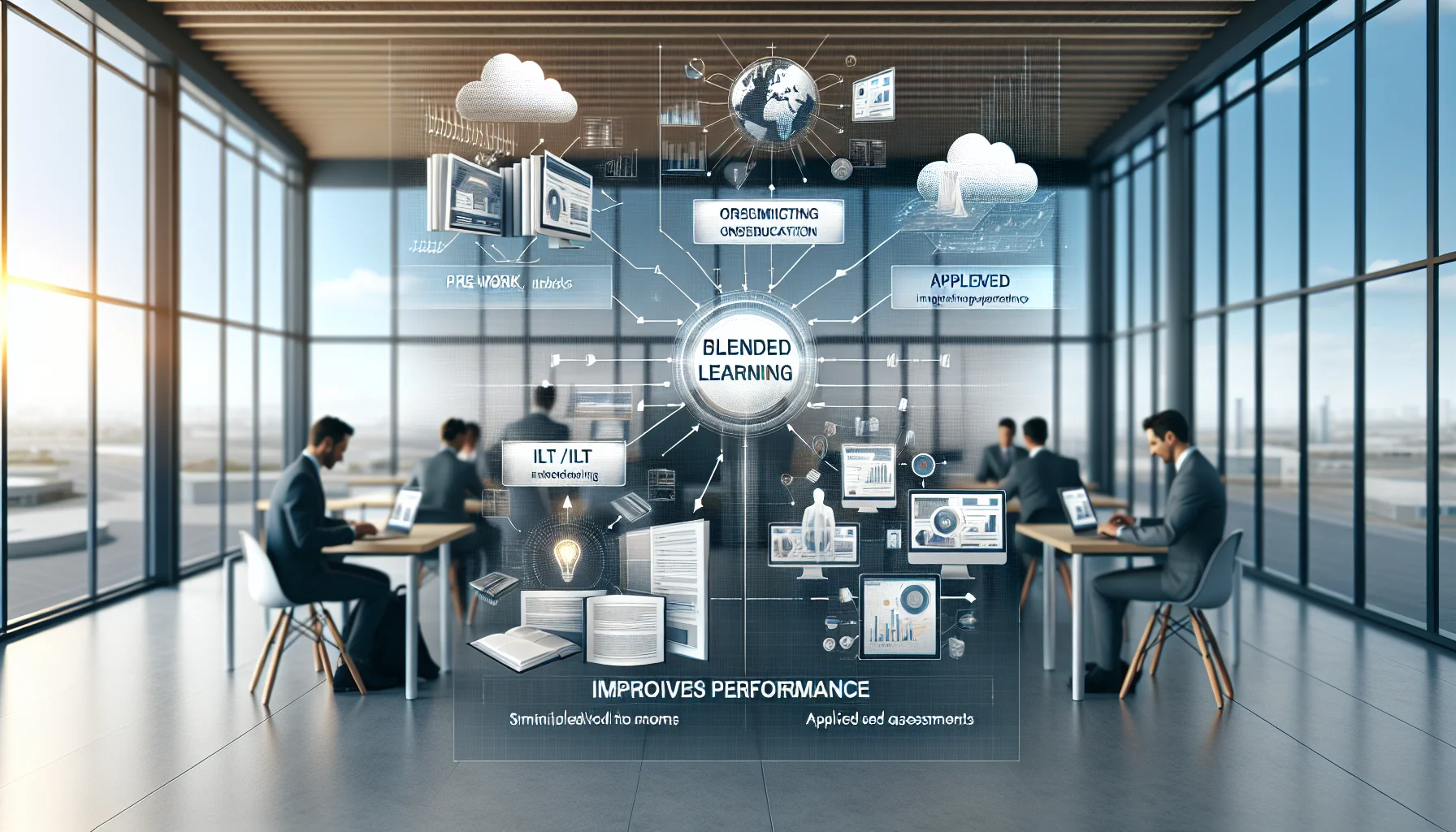
Identifies six blended learning trends for 2026—AI personalization, microcredentials, low‑bandwidth design, analytics-driven pedagogy, immersive tech, and employer-aligned pathways. Each trend includes evidence, expected impact, and practical steps institutions can use now to pilot initiatives, manage privacy and cost, and align credentials to workplace outcomes.
 Lms
LmsJanuary 27, 2026
This article outlines six hybrid learning trends for 2026—AI-driven personalization, skills wallets, immersive XR pilots, continuous micro-assessment, privacy-first analytics, and modular marketplaces. It gives implications for buyers and IT, practical pilot ideas (two 90-day pilots + a 3-week XR test), and a 24-month investment priority matrix to link learning to business outcomes.
 Lms&Ai
February 3, 2026
This article analyzes learning retention trends for 2026, arguing personalized AI summaries—powered by LLMs, RAG and edge inference—raise medium-term recall by 12–18% when paired with spaced practice. It outlines adoption signals, pedagogical shifts, stakeholder forecasts, and a practical checklist for pilots, teacher PD, and governance.
 Lms&Ai
February 5, 2026
This article maps six AI-driven performance support trends for 2026 — predictive guidance, multimodal assistants, neuroadaptive learning, privacy-preserving models, composable content, and augmented analytics. For each trend it explains business impact, readiness level, and adoption examples, and recommends a 90-day pilot checklist and investment priorities to accelerate measurable workflow learning.